
TORRALBA LEADS PORT OF MANILA’S TRADE WAR ROOM! RICARTE, TURiano DRIVE PUSH FOR FASTER, MORE EFFICIENT CUSTOMS OPERATIONS!
 Bernie Anabo Jr.
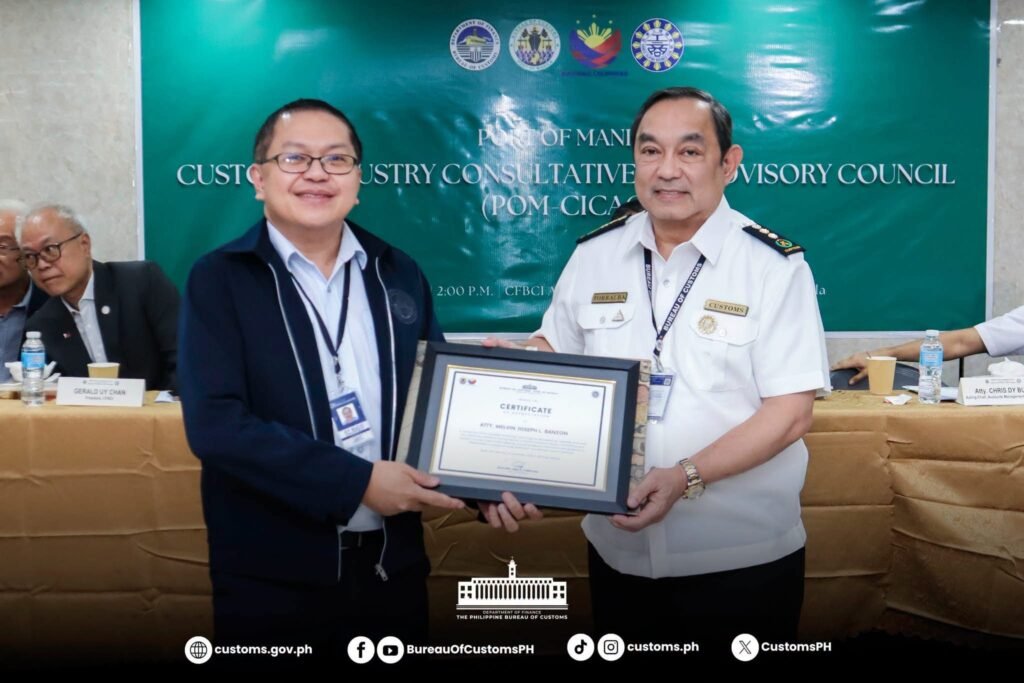
 The Port of Manila is sending a powerful message to the country’s trading community: CUSTOMS OPERATIONS MUST MOVE FORWARD — FASTER, SMARTER, MORE TRANSPARENT AND WITHOUT UNNECESSARY DELAYS!
At the forefront of this aggressive push is District Collector Rizalino Jose C. Torralba, who is demonstrating that effective customs leadership is not simply about collecting revenues and enforcing regulations. It is also about listening to stakeholders, confronting operational bottlenecks and delivering concrete solutions to the challenges confronting the import-export industry.
The recently concluded 4th Quarter 2026 Customs Industry Consultative and Advisory Council (POM-CICAC) Meeting on November 10 at the Chinese Filipino Business Club, Inc. headquarters in Binondo, Manila, was more than just another government-industry gathering. It was a powerful demonstration of how the Port of Manila intends to strengthen cooperation with the private sector.
Under Torralba’s leadership, the Council became a platform where industry representatives could raise concerns, challenge existing practices and recommend improvements that could translate into better port services.
TORRALBA: LEADERSHIP THAT LISTENS AND DELIVERS!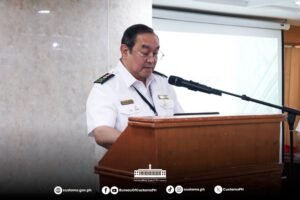
Torralba deserves recognition for keeping the lines of communication open between Customs and the business community. His leadership underscores a simple but important principle: a modern customs administration cannot succeed by working in isolation.
The private sector must have a voice, operational problems must be addressed, and legitimate trade must not be held hostage by inefficiency.
His message during the meeting was unmistakable — sustained dialogue and cooperation are essential in resolving operational challenges and improving the delivery of customs services.
But the action does not stop with the District Collector.
RICARTE: TAKING ON THE OPERATIONAL CHALLENGES!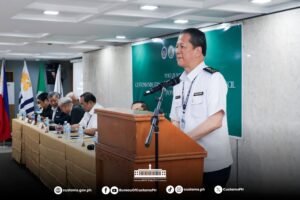
Deputy Collector for Assessment Mr. Florante P. Ricarte deserves the spotlight for presenting critical updates on extended examination hours at the Designated Examination Area (DEA) and the prevailing yard conditions at South Harbor.
These are not minor matters. Examination schedules, cargo movement and yard congestion directly affect the efficiency of port operations, the cost of doing business and the timely release of legitimate shipments.
Extending examination hours and keeping stakeholders informed about yard conditions are important steps toward addressing the logistical challenges confronting importers and other port users.
The challenge now is to sustain these improvements, strengthen coordination and ensure that operational adjustments produce measurable benefits for the trading community.
TURIANO: THE OPERATIONS FRONT MUST DELIVER!
Deputy Collector for Operations Atty. Gerard Turiano is likewise among the key officials whose role deserves attention as the Port of Manila pushes for more responsive and coordinated operations.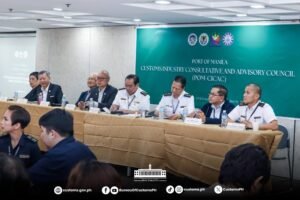
The success of trade facilitation depends not only on policies announced in conference rooms but, more importantly, on how effectively those policies are implemented on the ground.
From coordinating operational requirements to addressing concerns involving cargo movement and port procedures, the Operations Group has a critical responsibility in ensuring that the Port of Manila remains responsive to the needs of its stakeholders.
The message is clear: efficiency must be visible in actual operations, not merely written in memoranda and presentations.
PRIVATE SECTOR GIVEN A STRONGER VOICE!
The meeting, hosted by Chinese Filipino Business Club, Inc., under the leadership of its president, Gerald Chan, also highlighted the importance of government-private sector cooperation.
Newly inducted CICAC members took their oath of membership and recited the Pledge of Commitment, reaffirming their dedication to the Council’s objectives.
Atty. Christopher Dy Buco, Acting Chief of the Accounts Management Office, also presented updates on the Bureau’s accreditation process and requirements, giving stakeholders an opportunity to raise questions and share recommendations.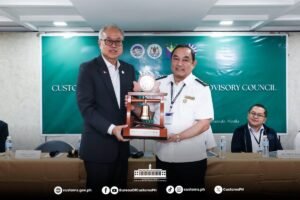
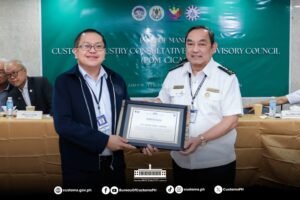
Plaques of Appreciation were presented to member organizations in recognition of their continuing partnership and valuable contributions.
These developments reinforce the importance of CICAC as a venue for consultation, transparency and constructive engagement.
NEPOMUCENO’S REFORM AGENDA: NO ROOM FOR COMPLACENCY!
All these initiatives are consistent with the broader reform direction of Customs Commissioner Ariel F. Nepomuceno, who has emphasized good governance, accountability, transparency and improved customs services.
But let us be clear: meetings alone do not solve problems. Consultations must lead to action. Promises must translate into performance. And every improvement must be felt by importers, exporters, brokers, logistics providers and the entire business community.
Torralba, Ricarte and Turiano now have an opportunity to demonstrate that the Port of Manila can become a stronger model of responsive customs administration.
The challenge is enormous, but so is the opportunity.
The Port of Manila is one of the country’s major gateways for international trade. Its performance has a direct impact on business confidence, government revenues and the national economy.
THE BOTTOM LINE: A modern Port of Manila needs leaders who are decisive, accessible and results-oriented.
Torralba is steering the stakeholder dialogue. Ricarte is addressing assessment-related operational concerns. Turiano carries a crucial responsibility in making operations work efficiently.
Three officials. Different responsibilities. One common mission.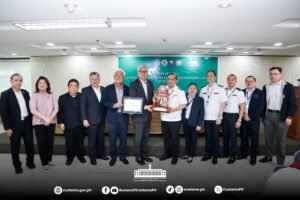
MAKE CUSTOMS WORK BETTER, MAKE TRADE MOVE FASTER, AND MAKE PUBLIC SERVICE DELIVER!
That is the kind of leadership the trading community expects — and the kind of performance the Filipino people deserve.