
MENDOZA OPENS BIR DOORS TO NAGA CITY; ROBREDO FIGHTS TO EASE BURDEN ON MARGINALIZED FAMILIES!
 Dr. Bernie Anabo Jimmy Saberon
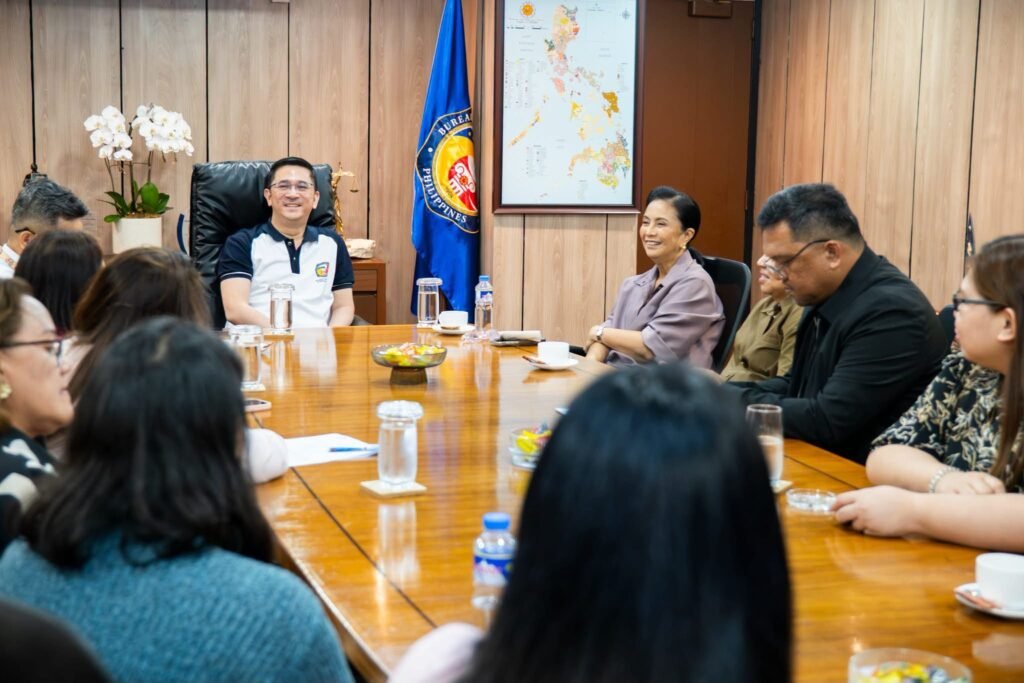
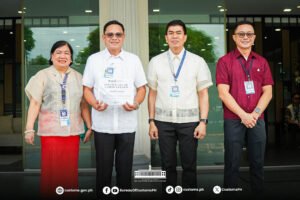
 A POWERFUL meeting of public service and social responsibility took center stage as Bureau of Internal Revenue (BIR) Commissioner Atty. Charlito Martin R. Mendoza welcomed Naga City Mayor Atty. Leni Gerona Robredo at the BIR National Office to tackle a crucial issue affecting some of the country’s most vulnerable families—the proposed exemption from transfer taxes on properties awarded to urban poor beneficiaries.
This was no ordinary courtesy call. It was a discussion with potentially life-changing consequences for marginalized families who dream of finally owning a decent home without being crushed by additional financial obligations.
At the center of the meeting was Naga City’s application for exemption from the payment of transfer taxes on properties awarded to qualified urban poor beneficiaries.
MENDOZA: TAX LAWS WITH A HUMAN FACE!
Commissioner Mendoza deserves recognition for opening the doors of the country’s premier tax-collecting agency to local government concerns that directly affect ordinary Filipinos.
His leadership underscores an important principle: tax administration must not only be about collections, compliance and enforcement—it must also be about fairness, responsible implementation and public service.
By providing guidance on the city’s application, Mendoza demonstrated the importance of ensuring that tax laws are properly understood and applied, particularly when government programs are designed to uplift disadvantaged communities.
With Deputy Commissioner Atty. Larry Barcelo and members of the BIR Legal Group also present, the discussion highlighted the importance of legal guidance and institutional coordination in addressing the city’s request.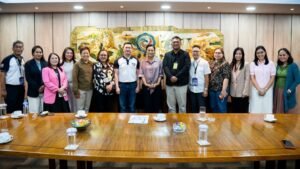
ROBREDO: HOUSING RIGHTS AND DIGNITY FOR THE URBAN POOR!
Mayor Atty. Leni Gerona Robredo, meanwhile, brought the concerns of Naga City’s urban poor beneficiaries directly to the national tax agency.
Her initiative sends a strong message: government assistance should not end when a property is awarded. The process of securing ownership must also be made accessible, fair and responsive to the financial realities of poor families.
For beneficiaries who have struggled for years to secure a home, every peso matters. Removing unnecessary financial barriers, where legally justified, could make a significant difference in their journey toward secure property ownership.
THE BIG QUESTION: CAN TAX POLICY HELP THE POOR MOVE FORWARD?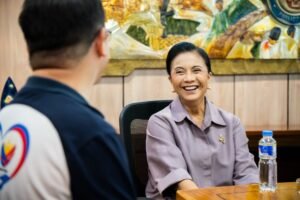
The challenge now is to ensure that the city’s application receives careful legal evaluation and that any exemption granted is fully supported by existing tax laws and applicable regulations.
The meeting also underscores the value of cooperation between national agencies and local governments in advancing inclusive development.
Mendoza brings the institutional responsibility of the BIR, while Robredo brings the concerns and aspirations of Naga City’s constituents to the negotiating table.
ONE THING IS CLEAR: WHEN TAX ADMINISTRATION AND SOCIAL RESPONSIBILITY MEET, THE REAL BENEFICIARIES SHOULD BE THE PEOPLE.
The public will be watching closely—not simply for the outcome of the application, but for what it could mean for thousands of Filipino families hoping to turn the dream of homeownership into reality.
MENDOZA AND ROBREDO: A MEETING THAT PUTS THE URBAN POOR ON THE TAX POLICY AGENDA!