 Bernie Anabo Jr.
No small talk. No sugarcoating. Just results.
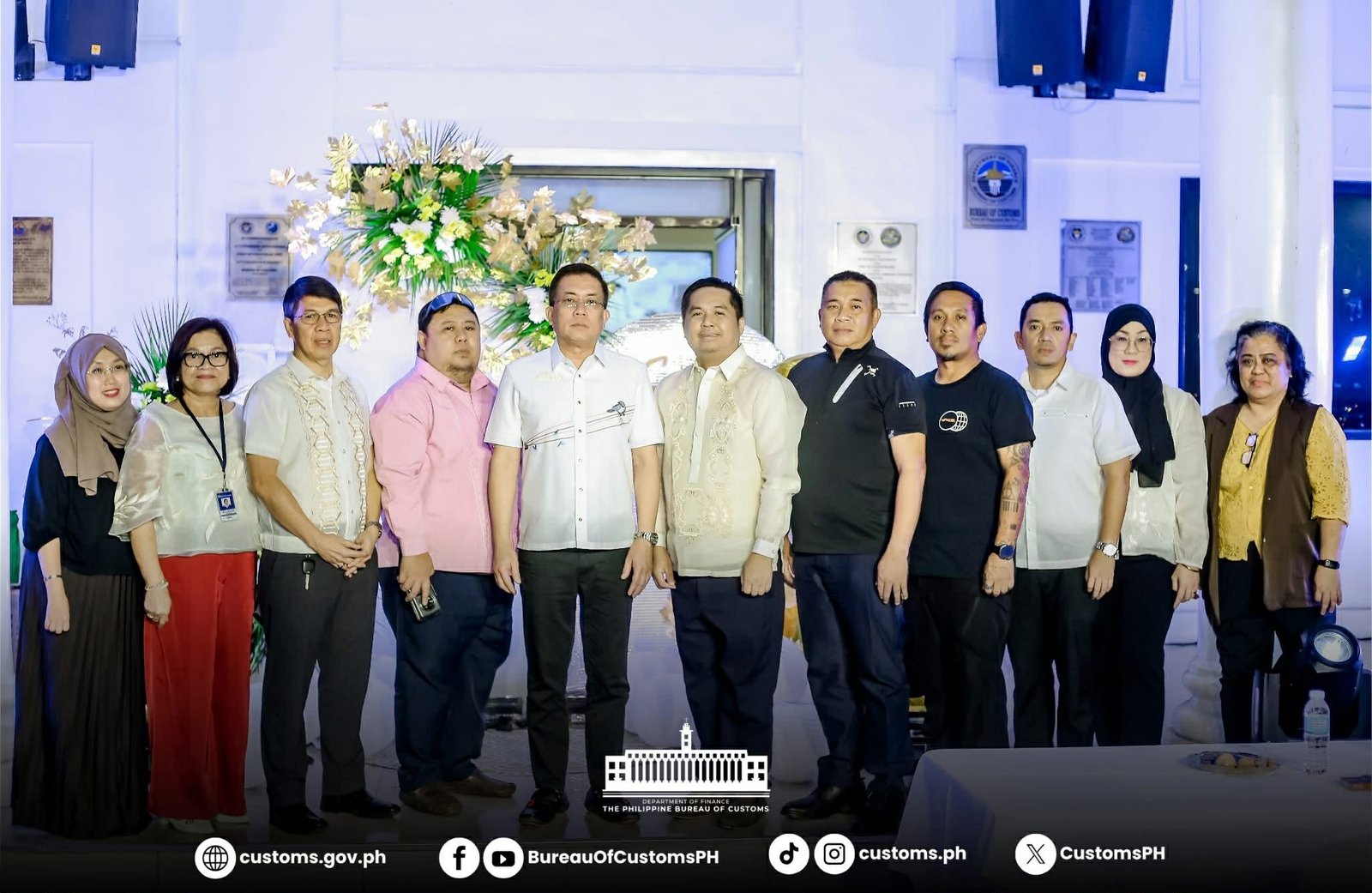
The Bureau of Customs – Port of Cebu gathered the biggest players in the local trade industry on February 10, 2026 at Summit Galleria Hotel — and the message was crystal clear:
Reforms are in full throttle. Compliance is not optional.
The Local Customs Industry and Consultative Advisory Council (CICAC) meeting was more than a routine sit-down. It was a power meeting — a pressure point where government reforms met industry accountability.
Administrative Chief Maria Cleofe M. Calope-Velasquez laid down internal upgrades and administrative tightening. Deputy Collector for Operations Dr. Jesus G. Llorando followed with operational performance reports aimed at one goal: faster clearance, smoother flow, zero excuses.
But the real heat came when compliance issues took center stage.
Examiner Joshua T. Tan pushed the Authorized Economic Operator (AEO) Program, challenging traders to step up and earn trusted status — with faster processing as the reward for clean and compliant operations.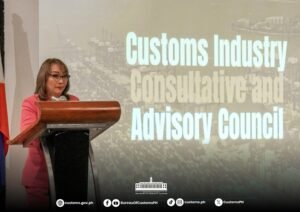
Meanwhile, Cargo Control Head Eyrald Jason I. Camiguing dropped the hammer on overstaying containers. The warning was unmistakable: yard congestion will not be tolerated. Monitoring has intensified. Deadlines will be enforced.
Then came the leadership punch.
YAP-LUMONTAD DRAWS THE LINE
District Collector Alexandra Yap-Lumontad didn’t mince words.
“Our reforms are designed to make doing business more efficient and predictable,” she declared — but quickly followed with a challenge.
Industry must match reforms with accurate declarations, proper valuation, and timely processing.
Translation?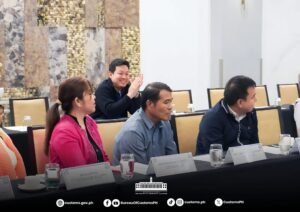
Customs is cleaning house. Traders must do the same.
Her message was firm: Trade growth and revenue collection go hand in hand — and both depend on discipline.
NEPOMUCENO’S NO-NONSENSE DRIVE
Behind the aggressive reform push stands Customs Commissioner Ariel F. Nepomuceno, whose marching orders across all ports remain uncompromising:
✔ Strengthen stakeholder collaboration
✔ Accelerate trade facilitation
✔ Enforce lawful revenue collection
✔ Protect the borders — no shortcuts
Under Nepomuceno’s leadership, ports are no longer passive gateways. They are frontline economic command centers.
The Port of Cebu’s high-energy engagement signals one thing — the Bureau is tightening the screws while opening doors for compliant players.
In 2026, the message from Customs is blunt: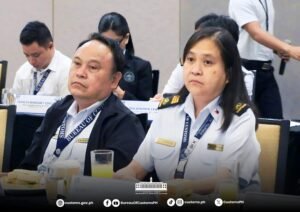
Play by the rules, move faster. Break them, expect consequences.
At Cebu Port, reform isn’t just a talking point.
It’s enforcement in motion.