 Dr. Bernie Anabo Jr
When three inbound parcels slipped quietly into a Pasay warehouse on November 27, nobody knew they contained a dangerous cocktail of marijuana kush, cannabis tablets, and amphetamine. But at the Bureau of Customs–NAIA, silence doesn’t mean safety—especially not under Commissioner Ariel F. Nepomuceno and District Collector Atty. Yasmin O. Mapa has been tightening the screws on drug smuggling operations with a level of vigilance the agency hasn’t seen in years.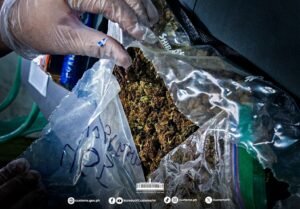
The parcels—abandoned, misdeclared, and clearly designed to evade scrutiny—were no match for the joint intelligence work of the BOC-NAIA, the Philippine Drug Enforcement Agency (PDEA), and the NAIA Inter-Agency Drug Interdiction Task Group. The result:
280 grams of marijuana kush, 394 cannabis tablets, and 77 grams of amphetamine were seized before they could slip into the country’s illicit drug market.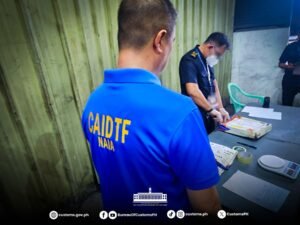
For Atty. Yas Mapa, who has been consistently pushing for tougher frontline checks, the interception is another proof that vigilance saves lives.
“Strengthening border protection remains a top priority,” she stressed. “Our commitment is continuous—to keep our ports secure and to protect the public from harmful substances.”
Those are not mere talking points. Under her watch, BOC-NAIA has significantly increased its seizure rates, tightened inspection protocols, and expanded coordination with enforcement agencies. The drug traffickers may be innovating, but so is the Bureau.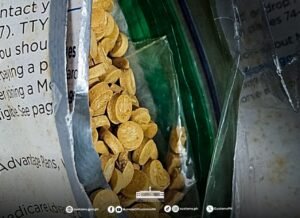
At the national helm, Commissioner Ariel F. Nepomuceno continues to reshape the Bureau of Customs’ enforcement identity—less reactive, more anticipatory; less procedural, more strategic.
“Securing the nation’s borders requires constant improvement, cooperation, and readiness,” Nepomuceno emphasized. “We are investing in better systems, stronger coordination, and more robust safeguards so illegal drugs are stopped long before they reach our communities.”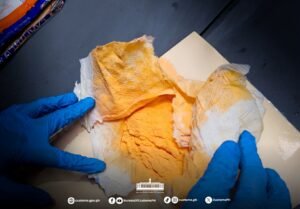
The message is clear: under Nepomuceno, border security isn’t just an institutional responsibility—it’s an evolving discipline backed by technology, international cooperation, and strong internal leadership.
And this coordination between the national and district level—the Nepomuceno-Mapa approach—is quickly becoming a model for how modern drug interdiction should work:
fast, intelligence-driven, and unapologetically strict.
With every seizure, the Bureau is sending a louder signal to drug traffickers:
The old gaps are closing, the new systems are tighter, and the leadership is watching.