 By: Dr. Bernie Anabo and Jimmy Saberon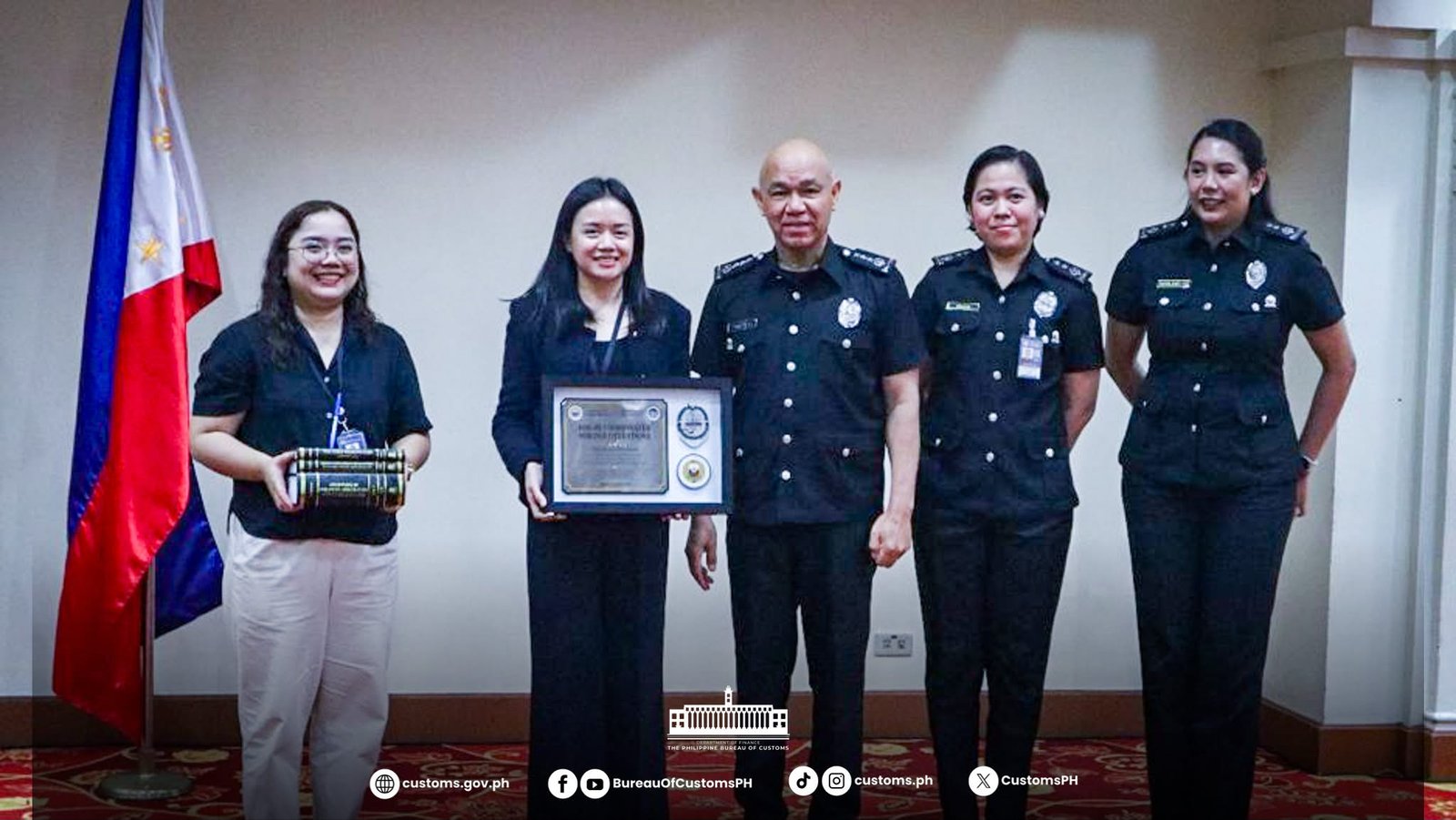
MANILA — The country’s frontline border agencies are tightening the gates.
The Bureau of Customs (BOC) and the Bureau of Immigration (BI) have taken a major step toward a more coordinated border-control system with the successful conduct of their first-ever BOC-BI Coordinated Border Operations Training held from August 24 to 28, 2026 at the Heritage Hotel Manila.
At the center of the initiative is BOC Commissioner Ariel F. Nepomuceno, who has pushed stronger inter-agency coordination, professional development and modernized border management as key weapons against evolving threats while ensuring the smooth movement of legitimate trade and travelers.
ONE BORDER, ONE COORDINATED FRONT
The five-day program brought BOC and BI personnel together to sharpen their understanding of Customs and Immigration laws, operational procedures, risk management, intelligence coordination and border-control protocols.
But the training was not simply about lectures.
It produced a potentially significant operational framework—the Proposed BOC-BI Joint Standard Operating Procedure (SOP)—designed to put coordination between the two agencies on a more structured footing.
The proposed SOP covers intelligence sharing, coordinated screening, inter-agency handover and coordinated secondary inspection, among other mechanisms.
In practical terms, the initiative seeks to reduce gaps between agencies that operate at the country’s borders and strengthen the flow of critical information when suspicious persons, shipments or circumstances require closer scrutiny.
NEPOMUCENO: INVEST IN PEOPLE, STRENGTHEN THE BORDER
Commissioner Ariel Nepomuceno underscored the importance of developing the capabilities of frontline personnel, emphasizing that the program advances employee welfare through skills development.
The Commissioner linked the initiative to President Ferdinand R. Marcos Jr.’s whole-of-government approach, highlighting the need for government agencies to work together rather than operate in isolated silos.
For Nepomuceno, stronger borders do not depend solely on equipment, technology or enforcement operations.
They also depend on well-trained personnel who know when to share information, when to coordinate and how to act within their respective mandates.
FROM INTELLIGENCE TO ACTION
The training tackled Integrated Border Management and Coordination, including risk assessment, intelligence sharing, watchlist verification and referrals.
These mechanisms are crucial in creating a more connected border-control environment where information can move faster between agencies and operational decisions can be better coordinated.
The proposed joint SOP could therefore serve as an important blueprint for translating that coordination into actual field procedures.
A NEW FRONTLINE DEFENSE
The BOC-BI initiative comes as border agencies confront increasingly complex challenges involving border security, enforcement, legitimate trade and international travel.
With the first joint capacity-building program now completed, the two agencies have established a foundation for sustained cooperation.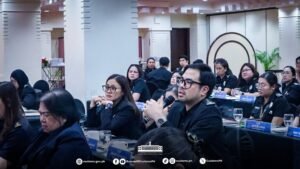
Under Commissioner Ariel F. Nepomuceno’s leadership, the BOC is making it clear that modern customs enforcement is not merely about stopping contraband at the border—it is also about building a stronger, smarter and more coordinated frontline defense for the Philippines.
The message from the BOC-BI partnership is unmistakable: the border cannot afford disconnected agencies. The next line of defense is coordination.