 Bernie Anabo Jr.
WALA NANG PALUSOT!
That was the unmistakable message as the Bureau of Internal Revenue (BIR) sat down with representatives of the Cockpit Operators of the Philippines and other industry groups on September 16, 2026, for a hard-nosed discussion on tax compliance and regulatory requirements governing cockpit operations.
At the center of the dialogue was BIR Deputy Commissioner for Operations Atty. Vener S. Baquiran, who represented the Bureau in the crucial meeting.
And Baquiran was not there merely to listen.
He helped drive the discussion toward a more structured approach—one that gives industry stakeholders an opportunity to raise concerns while making clear that compliance with tax and regulatory requirements remains a fundamental obligation.
BAQUIRAN: DIALOGUE WITH TEETH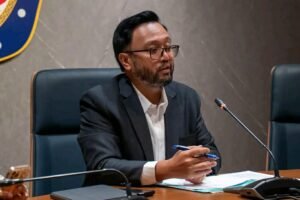
The meeting provided cockpit operators and industry representatives a venue to seek clarification on their obligations, raise operational concerns and participate in consultations.
But beneath the dialogue is a bigger issue: accountability.
The BIR emphasized the importance of proper machine registration, even as consultations and regulatory work continue.
This is where Baquiran’s role becomes significant.
Rather than allowing confusion or uncertainty to stall implementation, the BIR is moving toward a process where the concerns of operators can be examined alongside the government’s mandate to enforce tax laws and regulations.
Consultation, yes. Compliance, absolutely.
TWG TO BE CREATED—RULES TO FOLLOW
The BIR is set to establish a Technical Working Group (TWG) composed of government and industry representatives.
The TWG will help examine the operational realities of cockpits and address technical and regulatory concerns before the issuance of the necessary rules.
The Bureau will also conduct a walkthrough of actual cockpit operations—a move that could provide regulators with a clearer picture of how the industry operates on the ground.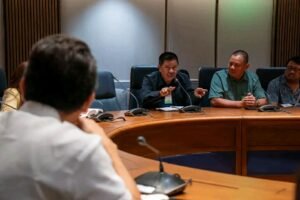
That is a significant step.
Instead of crafting rules detached from actual operations, the BIR intends to look at the process firsthand, listen to stakeholders and use the findings as part of the regulatory work.
BAQUIRAN’S MESSAGE: LET’S GET THE RULES STRAIGHT
Baquiran’s leadership in the Operations Group puts him squarely at the forefront of the BIR’s effort to translate policy into actual compliance.
The challenge is enormous: protect government revenue, ensure proper registration, clarify requirements and prevent regulatory gray areas—all while maintaining meaningful engagement with legitimate industry players.
That is where strong administration matters.
Rules must be clear.
Processes must be understood.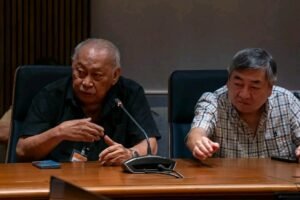
And compliance must be measurable.
NO SHORTCUTS—NO CONFUSION
The dialogue sends a straightforward signal to the cockpit industry:
The BIR is willing to listen, but the tax system must still work.
The creation of a TWG, the planned operational walkthrough and the issuance of implementing regulations point toward a more organized regulatory framework.
With Baquiran leading the Operations Group’s participation, the BIR appears determined to put the issue on a more concrete footing—less confusion, clearer rules and stronger compliance.
Joining Baquiran in the meeting were Chief of Staff Abigail Joy D. Gamboa, Assistant Commissioner Mariza R. Uy, Head Revenue Executive Assistants Ma. Victoria D. Go and Juanito H. Balbastre, along with representatives of the Cockpit Operators of the Philippines and other industry groups.
THE BOTTOM LINE
This is not simply another meeting between government and industry.
It is a test of whether consultation can produce clearer rules and stronger compliance without losing sight of the realities on the ground.
And for Baquiran, the task is clear: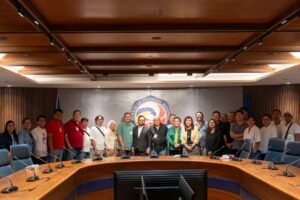
LISTEN. CLARIFY. REGULATE. ENFORCE.
Because when it comes to tax compliance, the era of uncertainty cannot be allowed to become an excuse for non-compliance.
The BIR is talking—but it is also preparing to act.