
 Bernie Anabo Jr.
PORT OF CLARK SMASHES COLLECTION TARGETS, TIGHTENS BORDER WATCH, AND FIRES UP THE FIGHT AGAINST CONTRABAND!
When it comes to revenue collection, trade facilitation, and the relentless fight against smuggling, District Collector Jairus S. Reyes of the Bureau of Customs (BOC)–Port of Clark is making his mark where it matters most—in performance, enforcement, and public service!
In an agency where every peso collected matters to national development and every suspicious shipment demands vigilance, Clark is showing that a customs port can pursue its financial targets while keeping its eyes firmly fixed on the country’s borders.
Under Reyes’ leadership, the Port of Clark has delivered results that deserve attention—not empty slogans, not grandstanding, but measurable accomplishments backed by collection figures, enforcement operations, and cooperation with the logistics and business sectors.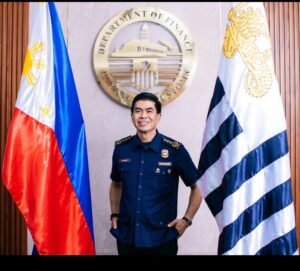
THE NUMBERS DON’T LIE: CLARK BEATS ITS TARGET!
One of the strongest indicators of Reyes’ leadership is the Port of Clark’s revenue performance.
In 2025, Clark surpassed its assigned annual revenue collection target. The port was also among only three collection districts nationwide reported to have exceeded their 2025 targets—a distinction that placed its performance firmly in the spotlight.
That achievement was not an overnight miracle. It required sustained collection efforts, proper valuation of imported goods, compliance from importers, and coordination among customs personnel and stakeholders.
The momentum continued in 2026.
In March, the Port of Clark collected ₱472.113 million, beating its ₱445.333-million target by approximately ₱26.780 million. For the first quarter, collections reached ₱1.342 billion, exceeding the ₱1.295-billion target by approximately ₱47 million, or 3.60%.
These figures tell a compelling story: Clark was not merely chasing its assigned targets—it was moving beyond them.
And the performance did not stop there. The port also reported surpassing its collection targets in June and August 2026, reinforcing its record of revenue generation under Reyes’ watch.
Clark’s strong performance is particularly significant because customs collection is not simply about bringing money into government coffers. It is about ensuring that the correct duties and taxes are assessed and collected under the law, protecting legitimate businesses from unfair competition, and safeguarding the revenues needed to fund public services.
REYES’ MESSAGE IS CLEAR: COLLECT WHAT IS DUE, ENFORCE WHAT IS RIGHT, AND DELIVER RESULTS!
THE WAR AGAINST SMUGGLING: NO ROOM FOR COMPLACENCY!
But revenue collection is only half the battle.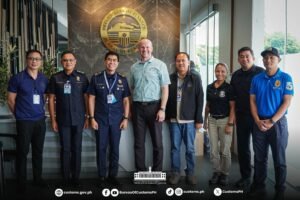
The other front is border protection—and this is where customs vigilance becomes a matter of public safety.
The Port of Clark has been involved in interceptions of suspected illegal drugs, including reported shipments containing suspected shabu and ketamine. These operations relied on the alertness of Customs Examiners working with enforcement personnel and other concerned authorities.
Among the reported operations was the interception of 4,410 grams of suspected ketamine valued at approximately ₱20.7 million, concealed in a parcel declared as a “Ceramic Fan.” The shipment reportedly originated from Amsterdam and was bound for Valenzuela City.
The discovery demonstrated why suspicious declarations, cargo screening, intelligence-sharing, and physical examination procedures cannot be treated as mere bureaucratic requirements.
A parcel may look ordinary. Its declaration may sound harmless. But behind misleading descriptions, dangerous substances can hide—and one missed warning sign can have serious consequences.
This is precisely why customs personnel must remain alert, professional, and uncompromising in carrying out their duties.
Credit belongs to the officers and personnel directly involved in detecting and intercepting suspicious shipments. Under Reyes’ leadership, the challenge is to sustain that vigilance, strengthen enforcement coordination, and ensure that every seizure is followed by the appropriate legal and investigative procedures.
The fight against illegal drugs is far from over. Every successful interception is a reminder that the next suspicious shipment could be just around the corner.
TRADE FACILITATION: BUSINESS MUST MOVE, BUT THE LAW MUST PREVAIL!
A high-performing customs port must do more than stop illegal shipments. It must also help legitimate commerce move efficiently.
Reyes has emphasized coordination with stakeholders, including FedEx, the Clark International Airport Corporation (CIAC), the Bases Conversion and Development Authority (BCDA), and other partners in the region.
That cooperation matters.
Clark’s logistics sector depends on predictable customs procedures, effective cargo processing, clear communication, and timely compliance. Delays can disrupt supply chains, raise business costs, and affect companies that rely on the efficient movement of goods.
But faster processing must never mean weaker enforcement.
The real test of customs leadership is striking the right balance: facilitate legitimate shipments, apply customs rules consistently, scrutinize suspicious cargo, and protect the government from revenue leakage.
That is the standard against which the Port of Clark must continue to measure its performance.
Through stronger stakeholder engagement and closer coordination with the logistics community, Clark can help promote an environment where legitimate businesses operate efficiently without giving smugglers a free pass.
RECOGNIZING THE FRONTLINE: RESULTS ARE BUILT BY PEOPLE!
Behind every collection report are Customs Examiners, appraisers, enforcement personnel, and other employees whose work determines whether the port meets its responsibilities.
In September 2026, the Port of Clark recognized employees for their contributions to revenue collection performance during July and August. Customs Examiners were also recognized for their vigilance in detecting illegal drugs concealed in shipments.
The recognition sent an important message: performance matters, professionalism matters, and the men and women doing the difficult frontline work deserve acknowledgment.
A district collector may set the direction, establish priorities, and demand accountability, but the actual work depends on a team capable of executing those responsibilities day after day.
Reyes’ challenge is to maintain that momentum—ensuring that recognition goes hand in hand with continuing training, fair performance standards, integrity, and accountability.
A motivated workforce is an asset. A disciplined workforce is a necessity. And a workforce committed to public service is essential to a customs port’s long-term success.
THE BIG TEST: SUSTAIN THE GAINS!
For all its achievements, the Port of Clark cannot afford to rest on its laurels.
Revenue targets change. Cargo volumes fluctuate. Smuggling methods evolve. New risks emerge in international shipping and express-cargo operations.
That means yesterday’s success cannot be an excuse for tomorrow’s complacency.
Reyes must continue strengthening risk management, supporting frontline personnel, improving coordination with enforcement agencies, and ensuring that revenue collection remains lawful, transparent, and sustainable.
The public deserves a customs service that collects the correct taxes, protects legitimate trade, and prevents prohibited goods from slipping through the country’s borders.
The business sector deserves efficient and predictable procedures. The government deserves every peso legally due. And the Filipino people deserve an agency that treats public service as a responsibility—not a privilege.
These are the standards that must continue to guide Clark’s operations.
THE VERDICT: PERFORMANCE MUST SPEAK LOUDER THAN PROMISES!
District Collector Jairus S. Reyes has several accomplishments to build on: Clark’s reported success in exceeding its 2025 revenue target, its strong first-quarter 2026 collection figures, its subsequent reported monthly target overperformance, its drug-interception operations, and its partnerships with key logistics and development stakeholders.
Those results deserve recognition—but they also create expectations.
The challenge now is to keep the collection figures strong, sustain the fight against smuggling, protect legitimate businesses, and ensure that every officer performs with integrity and professionalism.
In the final analysis, the real measure of a customs chief is not the title on his desk. It is the performance of his port, the integrity of his people, the effectiveness of its enforcement, and the public trust earned through consistent results.
For Jairus S. Reyes and the Port of Clark, the mission is clear: COLLECT THE REVENUES, PROTECT THE BORDERS, FACILITATE LEGITIMATE TRADE, AND NEVER LET UP IN THE FIGHT AGAINST CONTRABAND!
Because in the high-stakes world of customs enforcement, targets must be met, suspicious shipments must be examined, and public service must always come first.
CLARK MUST KEEP DELIVERING—AND THE NEXT CHAPTER OF ITS PERFORMANCE WILL BE JUDGED BY RESULTS!