 Dr. Bernie Anabo Jr
This is not your ordinary courtesy call. This is a border war briefing.
On December 4, 2025, the Bureau of Customs (BOC) sat face-to-face with the United States Department of Homeland Security in a high-stakes meeting that sent a loud message to smugglers, syndicates, and shadow traders: the gates are closing—and intelligence is tightening.
Under the clear marching orders of President Ferdinand R. Marcos Jr. to fortify the country’s borders and align with global security standards, Customs Commissioner Ariel F. Nepomuceno is pushing the Bureau into a new era—one where information, intelligence, and international alliances are the ultimate weapons.
At the center of this strategic offensive stood two key players who quietly but firmly drive the Commissioner’s command structure.
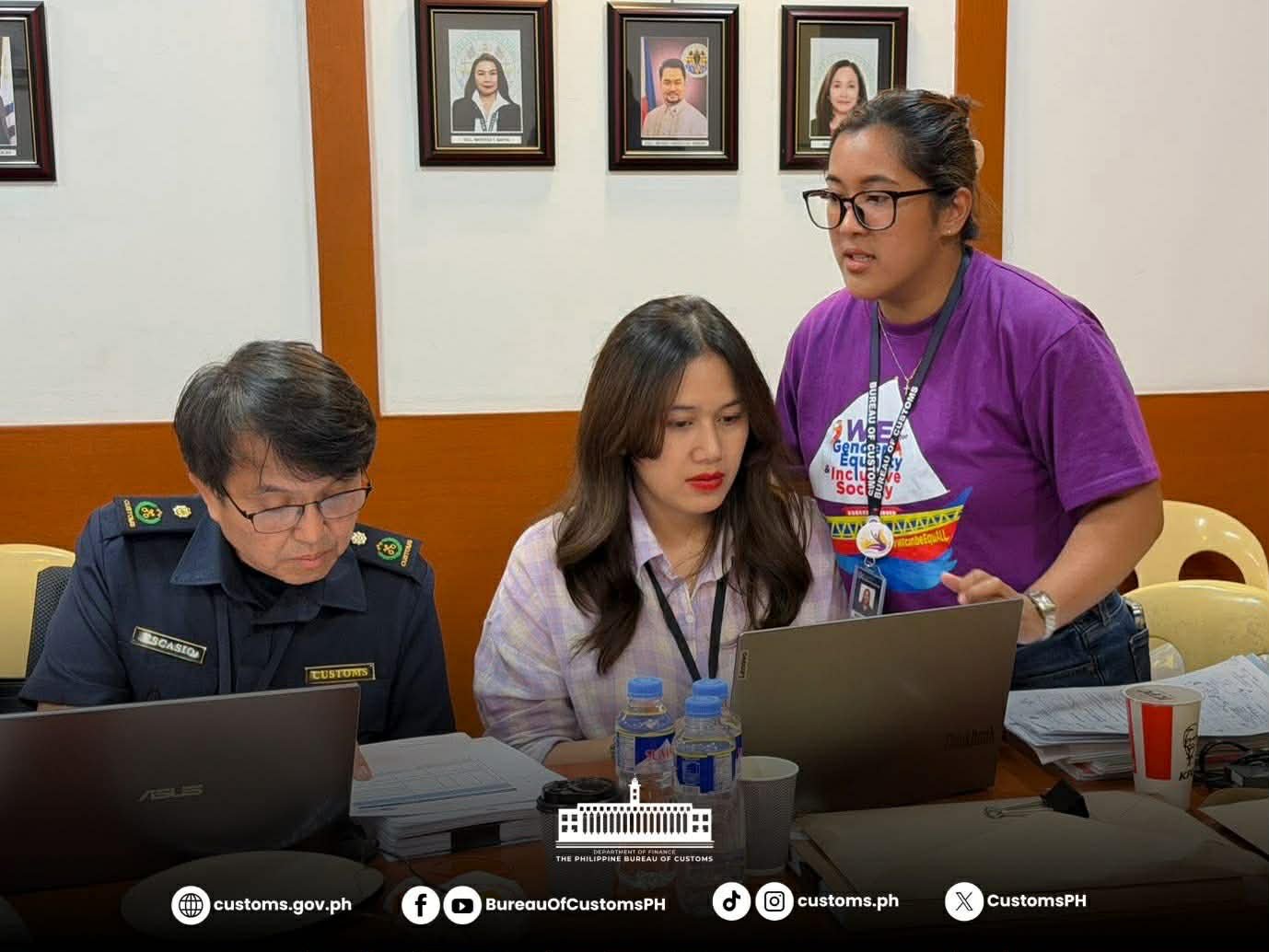
Office of the Commissioner Chief of Staff Atty. Jekereen Casipit emerged as a crucial force in the dialogue—sharp, deliberate, and policy-grounded. As the Commissioner’s right hand, Casipit ensured that the conversation went beyond pleasantries and into actionable intelligence cooperation, setting the tone that this partnership must deliver real results, not empty promises.
On the intelligence front, Deputy Commissioner for Intelligence Romeo Allan Rosales took the fight straight to the heart of enforcement. Known for his operational focus, Rosales underscored the need for stronger information exchange, precision risk targeting, and real-time intelligence sharing—the very tools needed to intercept high-risk shipments before they poison the market or threaten national security.
Joining the strategic huddle were Deputy Commissioner Agaton Uvero, Trade Transparency Unit Overall Coordinator Atty. Maria Luz Lite, and other senior BOC officials—each reinforcing the Bureau’s push toward a more aggressive, data-driven, and proactive customs regime.
 Leading the U.S. delegation, Mr. James Garcia of U.S. Customs and Border Protection laid down practical guidance and global best practices, reinforcing the idea that modern border security is no longer fought at checkpoints alone—but in shared databases, intelligence corridors, and joint enforcement playbooks.
Let’s be clear: this collaboration is not just about smoother trade or better systems. This is about cutting off illicit trade at the source, dismantling smuggling networks, and protecting the Filipino people from threats that slip through weak borders.
With Casipit ensuring tight command coordination and Rosales sharpening the intelligence blade, the Bureau of Customs is signaling a shift—from reactive enforcement to preemptive strikes.
The message is explosive and unmistakable:
Customs is no longer playing catch-up. It is hunting ahead.