 Bernie Anabo Jr.

No shortcuts. No regulatory blind spots. No room for noncompliance.
That is the message behind the intensified coordination between the Bureau of Customs–Port of Batangas and the Bureau of Plant Industry (BPI)–Batangas as District Collector Carmelita “Milmel” Talusan, CESO V, pushes for tighter monitoring and stricter regulatory compliance involving imported agricultural commodities.
Under Talusan’s leadership, the Port of Batangas is strengthening its coordination with partner government agencies to ensure that agricultural shipments entering the country pass through the proper procedures, meet documentary requirements, and comply with applicable laws and regulations.
This is no ordinary meeting. It is part of the continuing effort to close procedural gaps, strengthen border protection, and ensure that legitimate trade does not become a convenient cover for regulatory violations.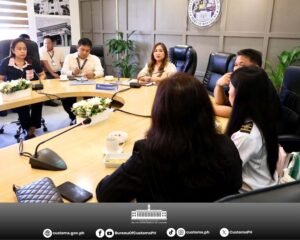
On October 19, 2026, the BOC–Port of Batangas convened a coordination meeting with BPI–Batangas to address critical concerns involving agricultural import permits, accreditation requirements, and examination procedures for incoming agricultural commodities.
Leading the BPI delegation was Plant Quarantine Service Regional Manager Sophia P. Taburnal, accompanied by Deputy Officer Romela Macahilig and Senior Agriculturist Jenneylyn Marciano.
The discussions focused on an essential rule: the necessary permits, accreditations and authorizations must be in order before the applicable examination procedures are undertaken.
In the high-stakes business of agricultural importation, documentation and regulatory compliance are not mere bureaucratic formalities. They are vital safeguards designed to protect Philippine agriculture, prevent unauthorized shipments from slipping through the system, and ensure that imported commodities are handled according to established requirements.
TALUSAN: NO ROOM FOR COMPLACENCY!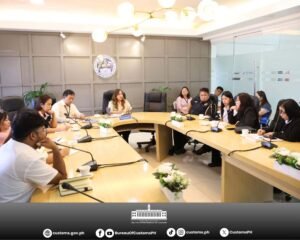
For Talusan, stronger inter-agency coordination means better communication, clearer procedures and a more disciplined approach to the movement of agricultural goods.
The challenge is clear: facilitate legitimate commerce without compromising the country’s border security and regulatory safeguards.
That balance demands firm leadership, close coordination and a shared commitment to accountability.
By strengthening its working relationship with BPI–Batangas, the Port of Batangas is reinforcing the importance of making sure that the proper agencies, permits and inspection requirements are observed throughout the import process.
The objective is not to obstruct legitimate business. It is to make certain that trade moves efficiently without sacrificing compliance, agricultural protection or the integrity of border operations.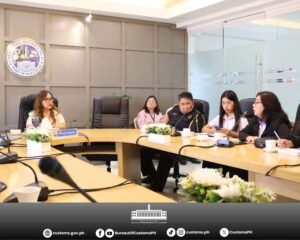
For importers and stakeholders, the message is equally straightforward: understand the rules, complete the necessary requirements, and follow the prescribed procedures.
BOC-BPI ALLIANCE: A STRONGER LINE OF DEFENSE
Agricultural imports require careful oversight because the consequences of regulatory failures can extend beyond port operations and affect the wider agricultural sector.
That is why coordination between Customs and plant quarantine authorities matters.
Through clearer communication and closer cooperation, both agencies can help ensure that agricultural shipments receive the appropriate regulatory attention while reducing avoidable delays caused by incomplete documentation or procedural deficiencies.
During the meeting, the BOC–Port of Batangas presented a Certificate of Appreciation to BPI in recognition of its support and cooperation in strengthening border security and improving the monitoring and control of agricultural shipments entering and passing through the port.
The recognition underscored a basic truth in public service: no single agency can effectively carry the entire burden of border protection alone.
Customs enforcement, plant quarantine safeguards and regulatory compliance must work hand in hand.
NEPOMUCENO’S REFORM DRIVE GAINS GROUND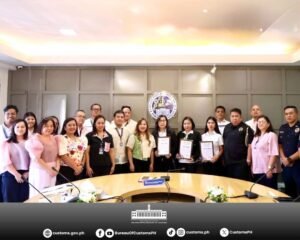
The initiative also supports the broader thrust of Customs Commissioner Ariel F. Nepomuceno to strengthen enforcement, promote good governance and improve operational efficiency across the Bureau of Customs.
With Talusan steering the Port of Batangas’ coordination efforts, the port is reinforcing its role in protecting the country’s borders while helping legitimate businesses move their goods through the proper channels.
But the real measure of success will not be the number of meetings held or certificates awarded. It will be the consistent implementation of the rules, the quality of coordination among agencies, and the ability to ensure that agricultural imports comply with the law.
That is where leadership must deliver.
Collector Carmelita “Milmel” Talusan is putting the spotlight on a crucial front in Customs operations: stronger coordination, tighter compliance and responsible facilitation of agricultural trade.
The battle for secure borders is fought not only through seizures and enforcement operations, but also through disciplined procedures, effective inspections and cooperation among government agencies.
At the Port of Batangas, the direction is clear: protect the nation’s agricultural interests, uphold the rules, and keep legitimate trade moving.
Because when it comes to border protection, vigilance cannot be optional—and compliance cannot be negotiable.

 Morning Standard News Team