 Dr. Bernie Anabo Jr
Christmas pressure is on—and the Manila International Container Port (MICP) is not taking chances.
Barely settled into his post, MICP District Collector Atty. Felipe Geoffrey K. De Vera IV wasted no time asserting command, calling an urgent, no-nonsense meeting on December 18 to confront one of the port’s most dangerous holiday threats: bottlenecks in the processing of reefer shipments—the lifeline of Christmas food and agricultural supplies.
With warehouses filling and temperatures rising, the message was loud and clear: no spoiled goods, no excuses.
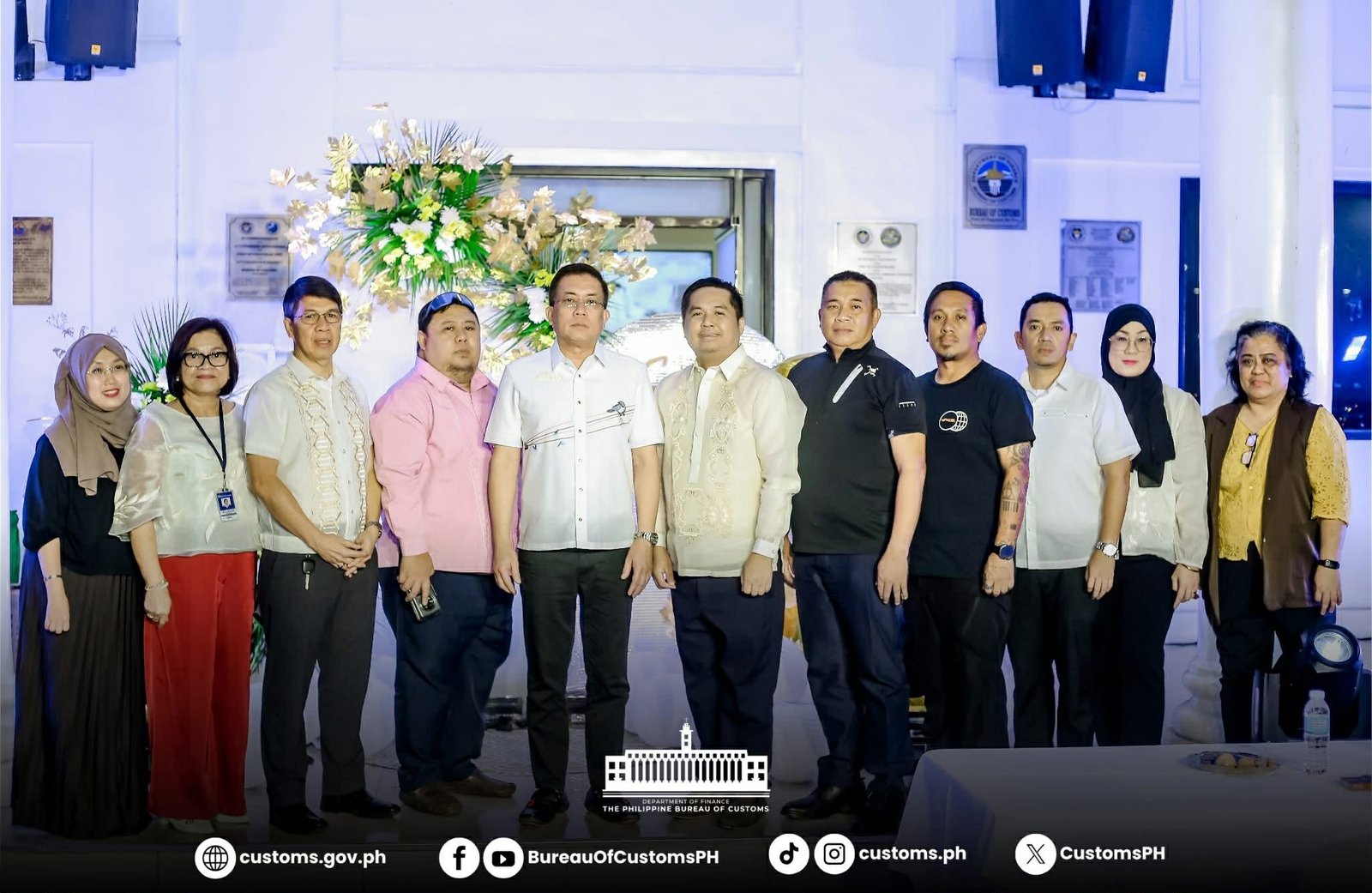
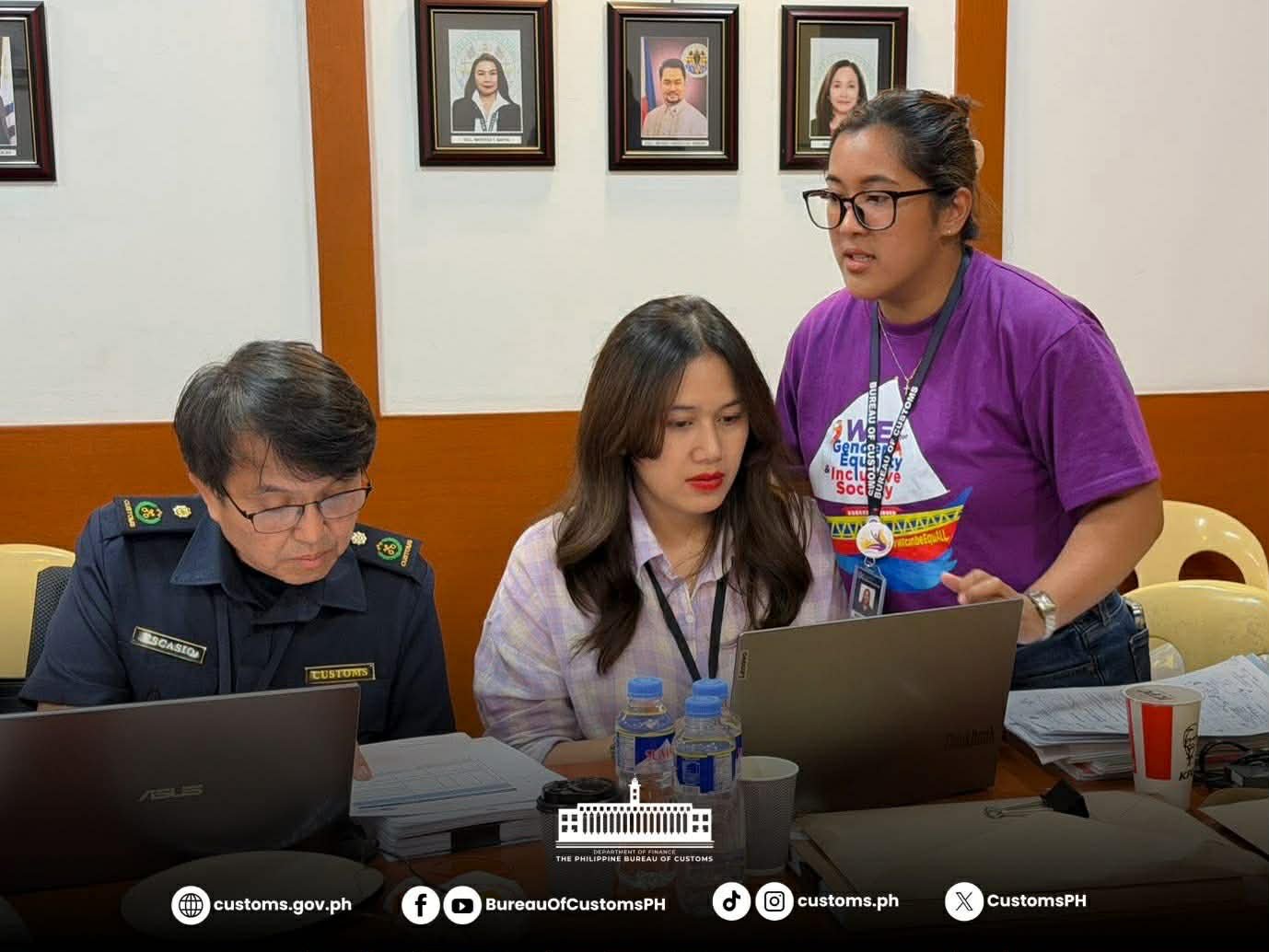
Gathered in one room were the port’s power players—Deputy Collectors for Assessment and Operations, frontline examiners and appraisers, intelligence and X-ray units, terminal operator ICTSI, and key regulatory agencies from BAI, BPI, and BFAR. This was not a courtesy call; it was a crisis huddle.
At the center of the discussion, Atty. De Vera laid it down straight: inter-agency coordination is not optional. He ordered tighter monitoring of cargo movement, faster inspections, and immediate release of compliant reefer containers to prevent spoilage and market disruption at the height of the holiday rush.

 Backing this decisive push is BOC Commissioner Ariel F. Nepomuceno, whose marching order is unmistakable—facilitate trade, protect consumers, but never loosen enforcement. Under his leadership, MICP is sharpening its risk management and clearance systems, ensuring compliant shipments move fast while violators are stopped cold.
To match the surge of perishable imports, MICP is also stepping up coordination with ICTSI, guaranteeing 24/7 reefer plugging operations and uninterrupted handling to keep goods fresh from port to market.
This is leadership under pressure. Nepomuceno sets the tone. De Vera executes with urgency. The result: a Customs operation on high alert, determined to keep Christmas tables full—and the cold chain unbroken.
At MICP this season, the warning is clear: delay is the enemy, efficiency is the mandate.