 Bernie Anabo Jr.
A nearly ₱200-million drug shipment allegedly disguised as harmless “personal effects” has been intercepted—and the message from the Bureau of Customs to international drug syndicates could not be clearer:
YOU CANNOT HIDE FROM CUSTOMS!
The Bureau of Customs, in coordination with the Philippine Drug Enforcement Agency, has uncovered more than ₱199.7 million worth of suspected illegal drugs, including massive quantities of shabu and high-grade marijuana, in a shipment arriving from Canada.
The shipment consisted of 15 boxes and was initially declared as personal effects.
But something did not look right.
The BOC X-ray Inspection Project (XIP) detected suspicious images.
That triggered an Alert Order and a subsequent 100% physical examination.
What Customs personnel uncovered was anything but ordinary personal belongings.
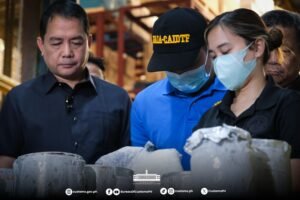
Inside six boxes were 28 cans containing approximately 28,324 grams of suspected methamphetamine hydrochloride—or shabu—valued at about ₱192.603 million.
Another box contained approximately 4,746 grams of suspected high-grade marijuana, or kush, valued at ₱7.119 million.
Authorities also discovered 20 towels and 20 duvets suspected of containing liquid methamphetamine.
Laboratory examination conducted by PDEA reportedly confirmed the presence of methamphetamine hydrochloride and cannabis in the samples submitted for testing.
THIS WAS NO SMALL-TIME OPERATION.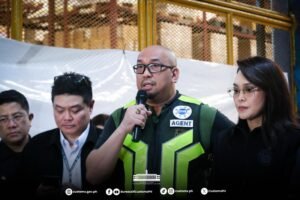
This was a shipment involving quantities capable of generating enormous profits for drug traffickers—and potentially causing enormous damage to Filipino communities.
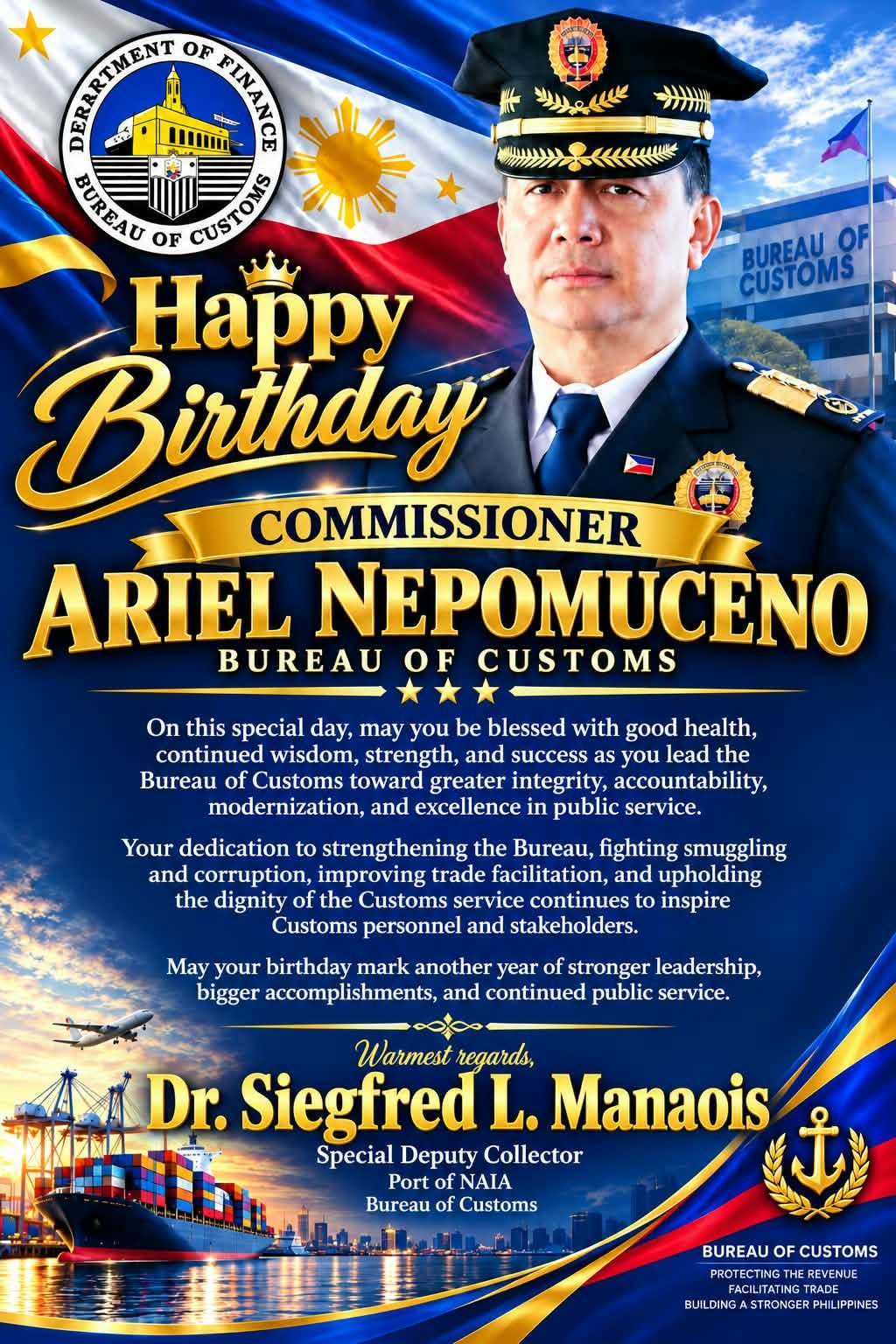
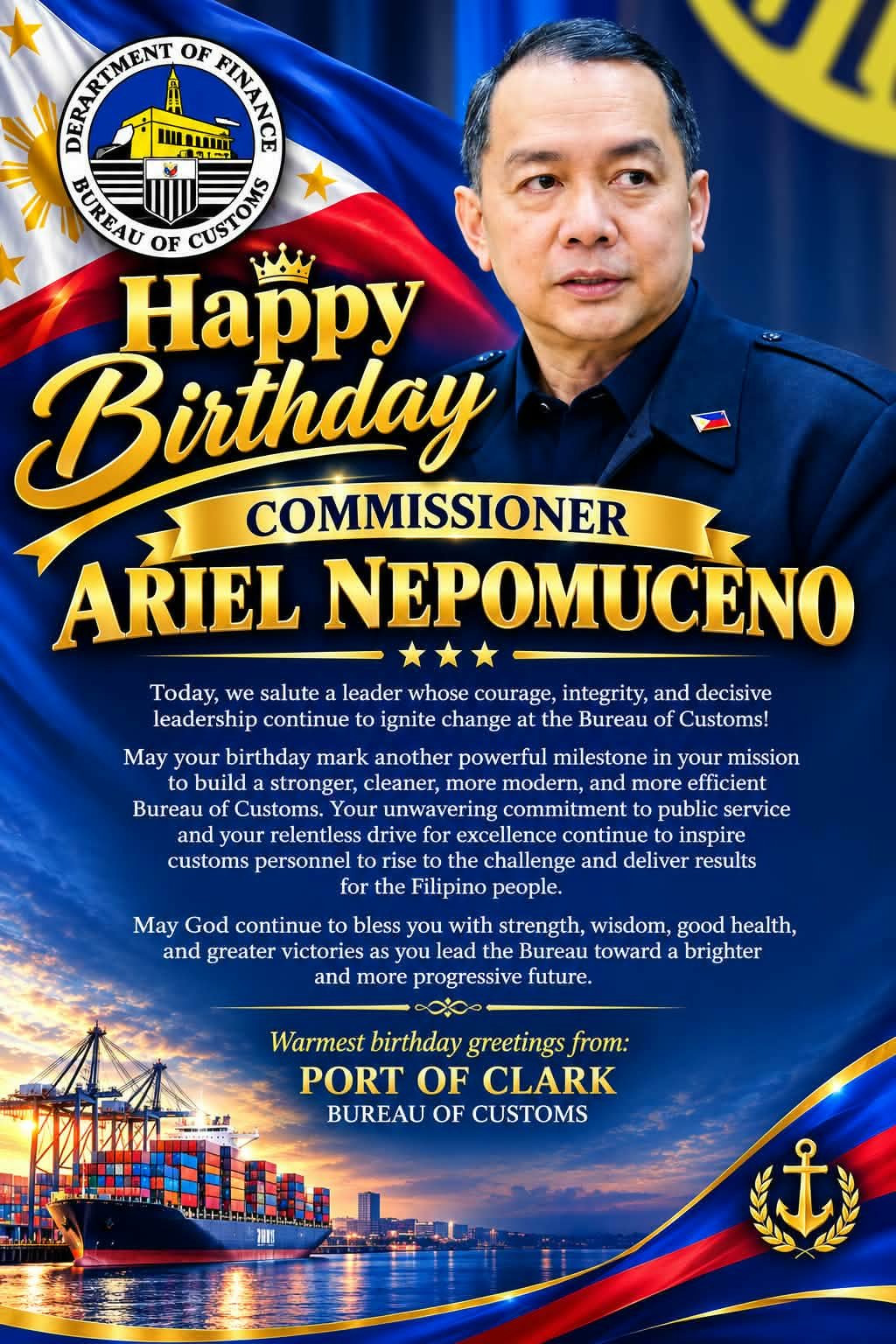
And this is where the leadership of BOC Commissioner Ariel F. Nepomuceno deserves the spotlight.
NEPOMUCENO: NO FREE PASS FOR DRUG TRAFFICKERS
Commissioner Ariel Nepomuceno has repeatedly emphasized the importance of intelligence, technology and inter-agency cooperation in protecting the country’s borders.
This seizure puts that strategy into action.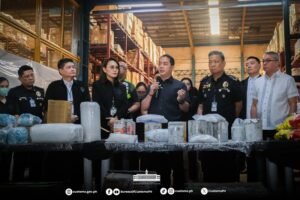
The X-ray system spotted what ordinary inspection could have missed.
Intelligence profiling raised the red flag.
The Alert Order stopped the shipment from simply moving forward.
The physical examination exposed the alleged contraband.
And coordination with PDEA provided the critical laboratory confirmation.
That is how border enforcement is supposed to work.
Intelligence. Technology. Enforcement. Coordination.
Four weapons against sophisticated smuggling networks.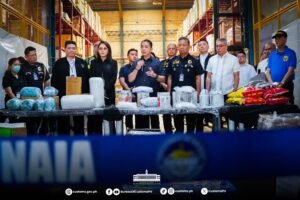
Nepomuceno’s message is unmistakable: Philippine airports cannot become gateways for international drug syndicates.
And those attempting to exploit Customs facilities should expect scrutiny—not a free pass.
YAS MAPA: NAIA’S GATEKEEPER
At the Port of NAIA, District Collector Atty. Yasmin O. Mapa likewise deserves recognition for the continuing vigilance of her personnel in screening shipments entering through the country’s primary international gateway.
NAIA is not just another Customs port.
It is one of the country’s most sensitive entry points.
Every suspicious package can potentially become a national security concern.
Every shipment can carry either legitimate commerce—or something far more sinister.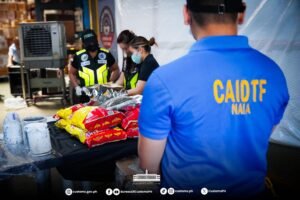
That is why aggressive screening, intelligence coordination and immediate enforcement action are essential.
In this operation, the suspicious shipment did not simply pass through unnoticed.
It was detected. Flagged. Examined. And intercepted.
For drug traffickers who think international packages can be disguised behind innocent declarations, the lesson is simple:
THE LABEL “PERSONAL EFFECTS” IS NOT A MAGIC PASSPORT.
MANAOIS: ON THE FRONTLINE
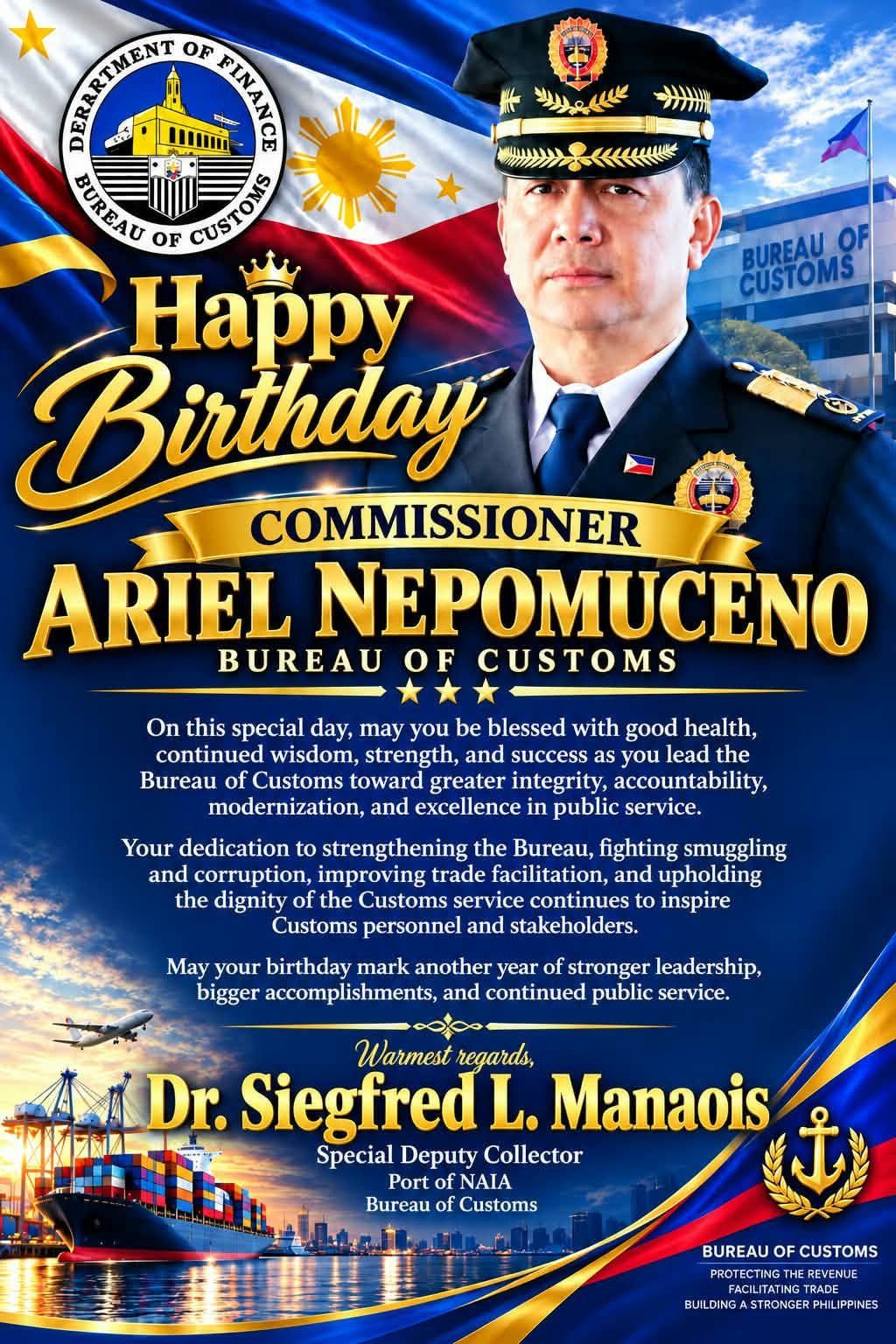
Also deserving recognition is Special Deputy Collector Dr. Siegfred L. Manaois, who forms part of the Customs leadership and operational machinery working to strengthen enforcement at the port.
In the fight against sophisticated smuggling networks, frontline enforcement requires vigilance and decisive action.
The smugglers constantly change their methods.
Customs must therefore stay one step ahead.
That means stronger intelligence.
Better technology.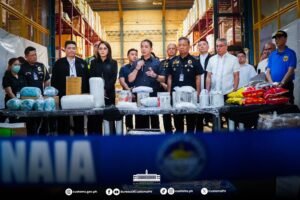
Closer coordination.
And, most importantly, personnel who are prepared to act when something does not add up.
THE DRUG SYNDICATES HAVE BEEN PUT ON NOTICE
The latest operation involved the coordinated efforts of PDEA, the Customs Intelligence and Investigation Service (CIIS), Customs Anti-Illegal Drug Task Force (CAIDTF), Enforcement and Security Service (ESS), X-ray Inspection Project (XIP), NAIA Inter-Agency Drug Interdiction Task Group (NAIA-IADITG) and other concerned authorities.
That is precisely the kind of inter-agency wall that drug syndicates do not want to encounter.
Because behind every kilo of shabu is more than a price tag.
There are families that could be destroyed.
Young lives that could be ruined.
Communities that could be poisoned.
And criminals who could become richer at the expense of Filipino lives.
That is why this ₱199.7-million interception should not be treated as just another seizure report.
It is a warning.
A warning to international drug networks that the Philippine border is becoming a harder target.
A warning that technology can expose concealed shipments.
A warning that intelligence can trigger intervention.
And a warning that coordinated enforcement can stop contraband before it reaches the streets.
NEPOMUCENO. MAPA. MANAOIS.
Different positions.
One mission:
Protect the border.
Stop the smugglers.
Keep illegal drugs out.
The drug syndicates may continue looking for new routes, new concealment methods and new couriers.
But the BOC’s response must remain the same:
NO FREE PASS.
NO EASY ENTRY.
NO BACKDOOR FOR ILLEGAL DRUGS.
Nearly ₱200 million worth of suspected illegal drugs is now off the streets.
And for the syndicates behind shipments like this, the message from Customs is loud and unmistakable:
WE ARE WATCHING.
TRY YOUR LUCK—AND GET CAUGHT.