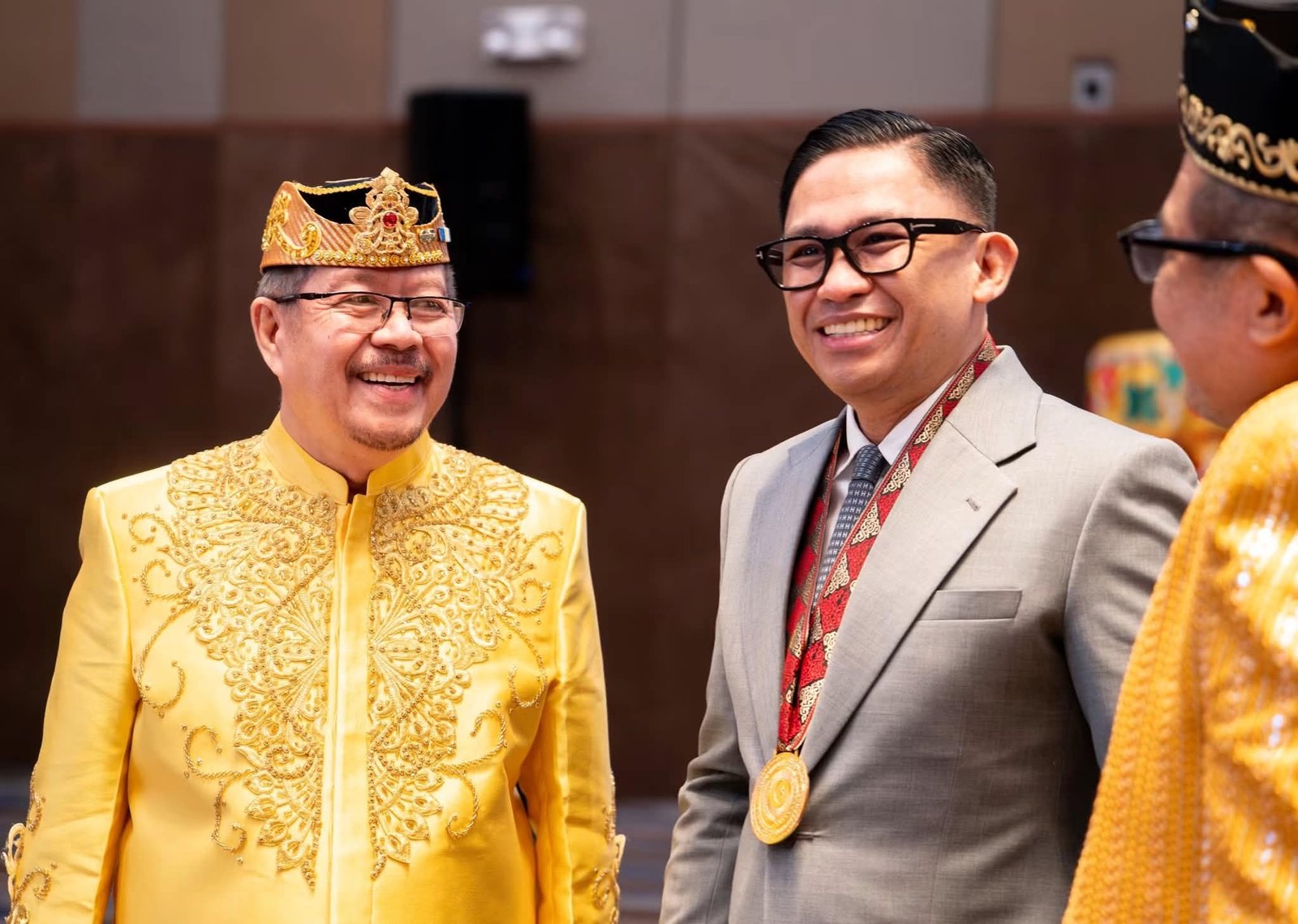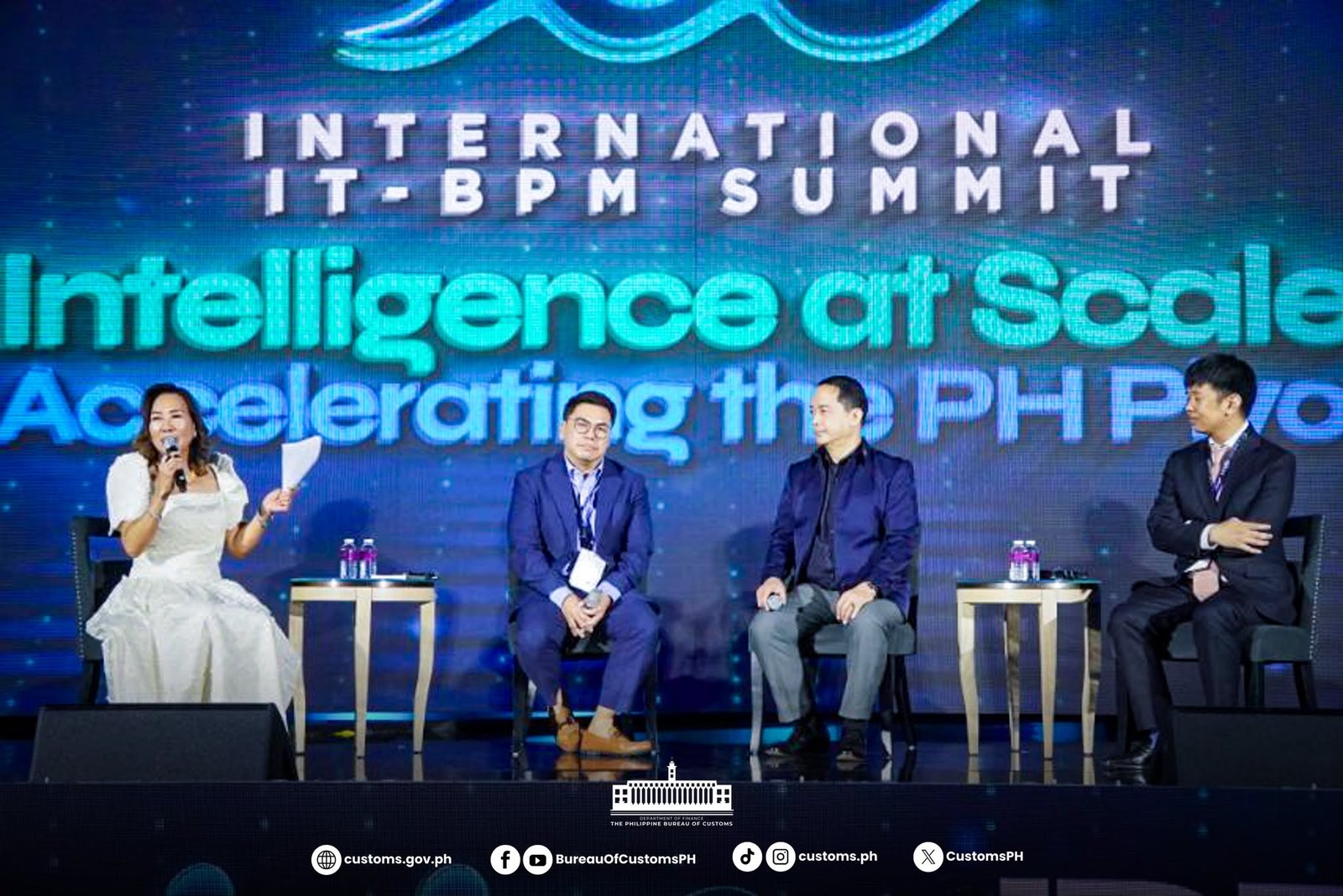
 Dr. Bernie Anabo Jr. Jimmy Saberon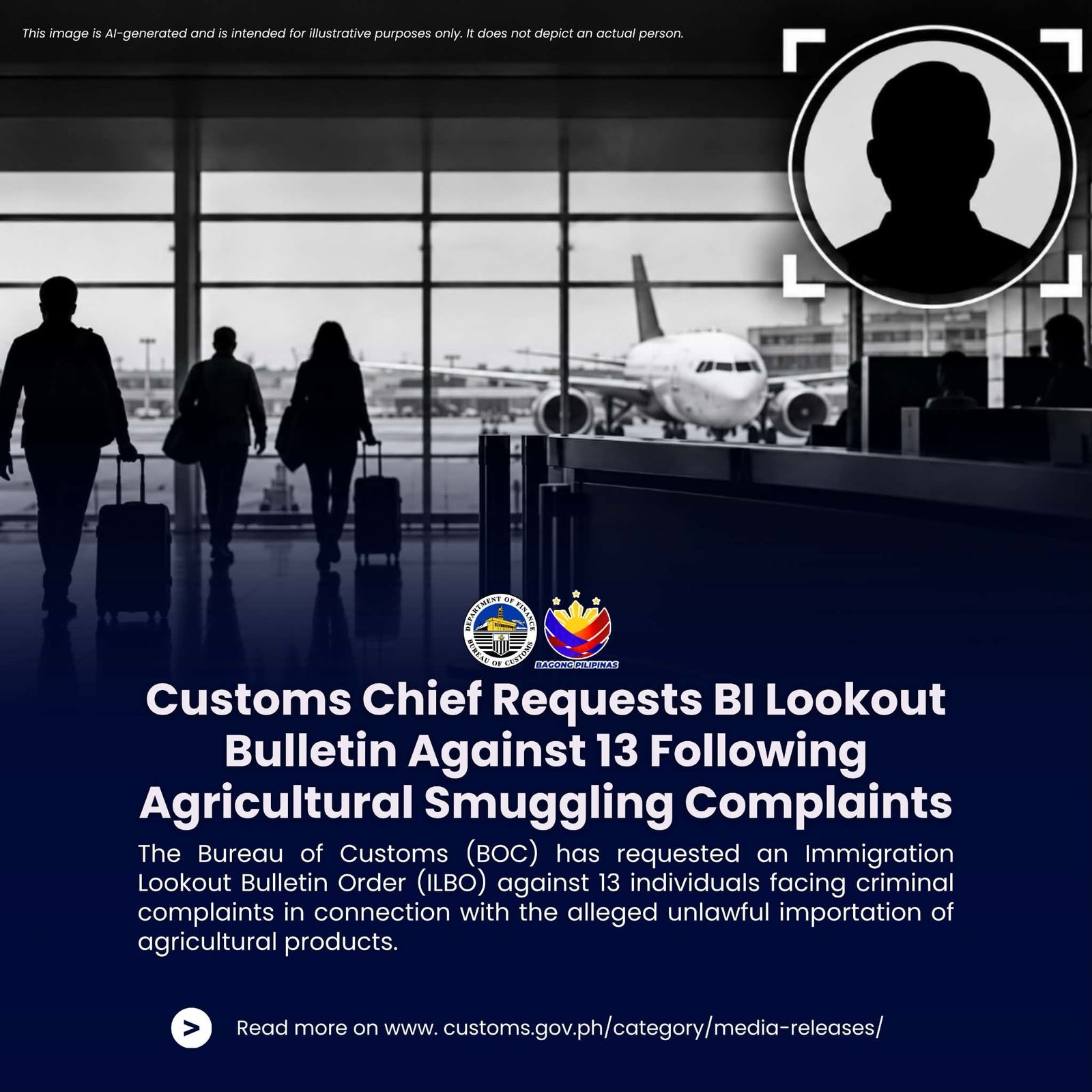
MANILA — THE NET IS CLOSING.
Bureau of Customs (BOC) Commissioner Ariel F. Nepomuceno has moved to tighten the legal watch on 13 individuals facing criminal complaints over the alleged unlawful importation of agricultural products, asking the Bureau of Immigration (BI) to issue an Immigration Lookout Bulletin Order (ILBO) against them.
The move came after the BOC filed criminal complaints before the Department of Justice (DOJ) on September 24 involving six shipments consigned to Berches Trading.
The shipments were allegedly declared as “chicken lollipops” but were reportedly found to contain thousands of sacks of fresh onions and boxes of carrots—agricultural products allegedly imported without the required regulatory clearances.
NEPOMUCENO: NO ESCAPE FROM ACCOUNTABILITY
Commissioner Nepomuceno made it clear that the BOC intends to pursue every lawful avenue available as the investigation moves forward.
“We will use every legal measure available to hold accountable all those responsible. Anyone who enables, facilitates, or takes part in smuggling will have to answer for it. We will pursue these cases wherever the evidence leads,” Nepomuceno said.
The requested ILBO covers the owner and representatives of the importer, the licensed customs broker, and nine BOC officials and employees allegedly connected with the shipments.
The inclusion of personnel from within the Bureau underscores the administration’s stated policy that accountability should not stop with private parties when government personnel are allegedly linked to questionable transactions.
13 UNDER THE SPOTLIGHT
In its letter to BI Commissioner Joel Anthony M. Viado, the BOC said the ILBO request is intended to facilitate the monitoring of the subjects’ international travel and help ensure their availability for the continuing investigation and any subsequent proceedings, subject to applicable laws, rules and regulations.
The BOC also asked the BI to consider a supplemental list should the ongoing investigation identify additional individuals allegedly connected to the shipments.
THE MESSAGE IS LOUD AND CLEAR
The latest move signals that the BOC is not limiting its enforcement campaign to the seizure or investigation of questionable shipments.
It is also pursuing the individuals who may have enabled, facilitated or participated in the transactions, with the cases now moving through the criminal justice process.
Agricultural smuggling has long been a major concern because illegally imported farm products can undermine legitimate traders and producers while bypassing regulatory requirements designed to protect the public and the agricultural sector.
Under Nepomuceno’s leadership, the BOC says it will continue pursuing both private-sector actors and Bureau personnel allegedly involved in agricultural smuggling.
NO ONE ABOVE THE LAW
The ILBO request does not constitute a finding of guilt against the 13 individuals. The allegations remain subject to investigation and the appropriate legal proceedings.
But the message from the Customs chief is unmistakable:
If the evidence points to you, the BOC says it will follow the trail.
From the importer and broker to government personnel allegedly connected with the shipments, the accountability drive is moving forward—inside and outside the Customs house.
NEPOMUCENO’S WARNING: THE SMUGGLING TRAIL WILL BE FOLLOWED WHEREVER THE EVIDENCE LEADS.
INSIGHT
By: Dr. Bernie R. Anabo Jr
ARNIE SAULONG: CUSTOMS AT THE FRONT DOOR OF INVESTMENT
When Customs stops being seen merely as a gatekeeper—and starts becoming a gateway to investment—that is when economic zones begin to move with real momentum.
And in Northern Mindanao, BOC Collection District X Collector Arnaldo “Arnie” Saulong is putting that principle into action.
Saulong’s recent engagement with PHIVIDEC Industrial Authority (PHIVIDEC-IA) Administrator Atty. Donato Joseph J. Bernedo is more than a courtesy call.
It is a loud and unmistakable message:
CUSTOMS IS OPEN FOR BUSINESS—AND READY TO HELP LEGITIMATE INVESTORS GET MOVING.
At the PHIVIDEC-IA Complex in Tagoloan, Misamis Oriental, Saulong and his team sat down with PHIVIDEC-IA officials to strengthen cooperation and explore ways to make the economic zone more attractive to investors and business locators.
And this is where the role of a Customs district collector becomes crucial.
The 3,000-hectare PHIVIDEC Industrial Estate, stretching across Tagoloan and Villanueva, is not simply another industrial property.
It is an economic engine with the potential to generate investments, employment, manufacturing activity and additional trade.
But investors do not want bureaucratic roadblocks.
They want clear rules, predictable procedures and government agencies that know how to get things done.
That is precisely where Saulong is putting his stamp.
The BOC Port of Cagayan de Oro, under his leadership, has committed to assist PHIVIDEC locators in understanding customs procedures and requirements while helping prospective investors navigate the accreditation process.
Translation?
LESS CONFUSION. LESS DELAY. MORE FACILITATION.
Saulong was joined by MCT Subport Collector Engr. Elvin Maurice R. Mackay, Deputy Collector for Assessment Atty. Christopher M. Inducil and Deputy Collector for Operations Atty. Mohammad Ben-Usman.
On the PHIVIDEC side were Administrator Bernedo, Deputy Administrator for Operations Atty. Benjamin Mendrano and Board Member Atty. Eduardo Q. Almirante Jr.
This is precisely the kind of government-to-government coordination that can make a difference on the ground.
Because investment does not happen simply because an industrial estate has land.
Investors look at the entire ecosystem.
How fast can they secure approvals?
How predictable are customs procedures?
How efficiently can their goods move?
Can government agencies coordinate instead of passing the buck?
These are not small questions.
They can determine whether an investor chooses to expand, relocate—or look somewhere else.
That is why Saulong’s approach deserves attention.
He is placing the Port of Cagayan de Oro in the conversation not merely as a collection point, but as a strategic partner in economic development.
And that direction is consistent with BOC Commissioner Ariel F. Nepomuceno’s broader push to facilitate legitimate trade, strengthen stakeholder partnerships and build a more business-friendly Customs environment.
But here is the real test:
WORDS MUST BECOME RESULTS.
A meeting is only the beginning.
The real measure will be what happens after the handshakes.
Will investor concerns be acted upon quickly?
Will customs procedures become easier to understand?
Will legitimate businesses receive the assistance they need without compromising revenue protection and border controls?
Will PHIVIDEC locators experience a Customs bureau that facilitates legitimate trade while remaining firm against violations?
That is where Saulong and his team will ultimately be judged—not by photographs, but by performance.
And Northern Mindanao is watching.
For Arnie Saulong, the message is clear:
CUSTOMS CAN PROTECT THE BORDER WITHOUT CLOSING THE DOOR TO INVESTMENT.
That balance is the challenge.
And if the Port of Cagayan de Oro can deliver it, then Saulong’s engagement with PHIVIDEC-IA could become more than another official meeting.
It could be the beginning of a stronger Customs-investment partnership in Northern Mindanao.
Because when legitimate investors knock on the door, government should not make them wait outside.
OPEN THE DOOR.
CLEAR THE PATH.
PROTECT THE REVENUE.
AND LET BUSINESS MOVE.
That is the real battlefield.
And Arnie Saulong is stepping into it.