 By: Dr. Bernie Anabo and Jimmy Saberon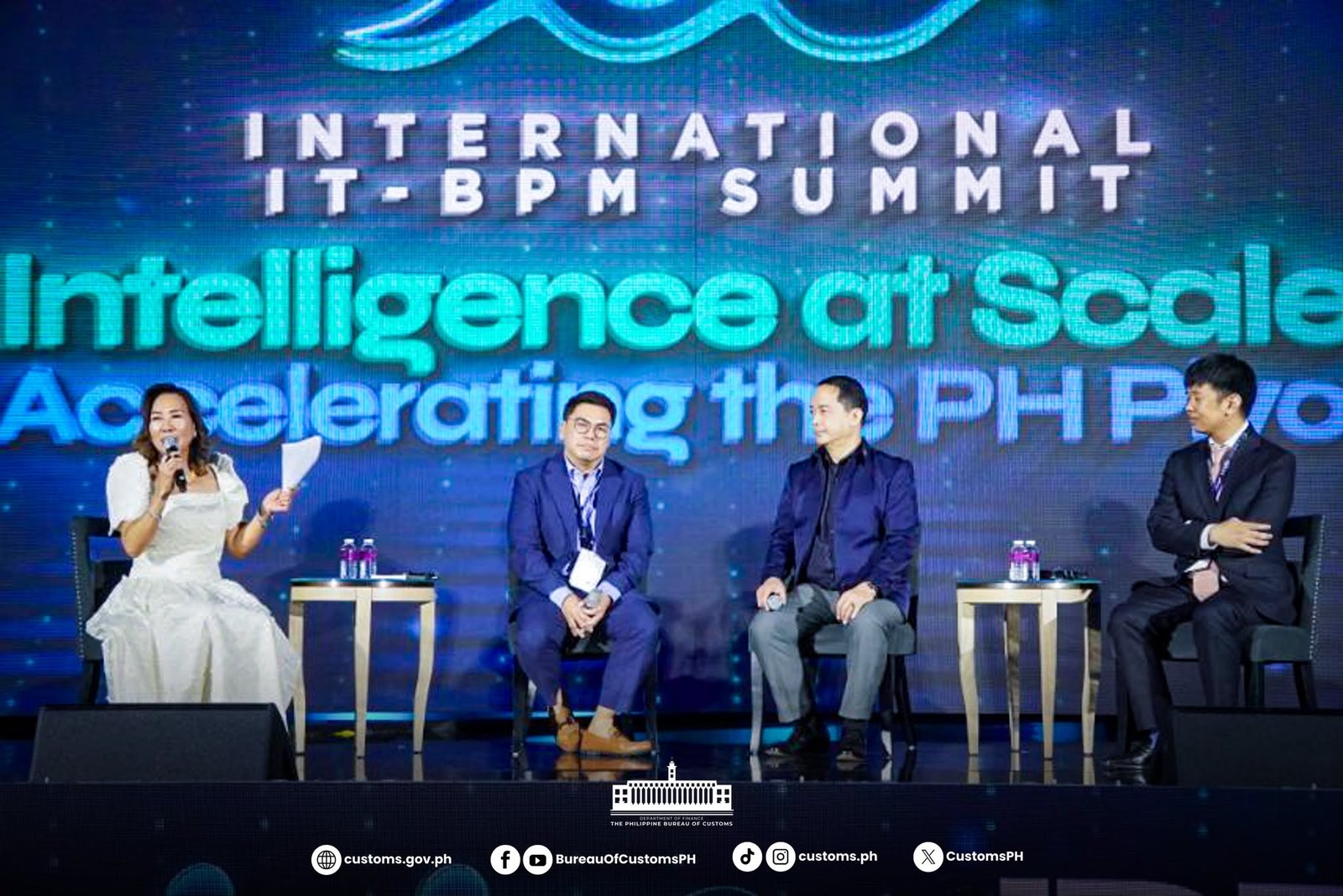
MANILA — The Bureau of Customs (BOC) is shifting into high gear—not simply as a revenue-collecting agency, but as a digital, transparent and business-friendly engine of legitimate trade, Commissioner Ariel F. Nepomuceno declared.
Speaking before industry leaders at the International IT-BPM Summit on September 23, 2026, Nepomuceno delivered a clear message: Customs must move with business, not stand in its way.
“Hindi kami tax and duties collectors lang. We are driven to deliver a modern, transparent, and business-friendly Bureau of Customs,” Nepomuceno said.
The BOC chief made the declaration during a panel discussion on regulation and ease of doing business, alongside ACGlobal Chief Tax Advisor Mon Abrea and IBPAP President and CEO-Designate Celeste Ilagan.
DIGITALIZATION: THE NEW CUSTOMS BATTLEFRONT
Under Nepomuceno’s leadership, the BOC is pushing a comprehensiv e digital transformation agenda designed to make legitimate trade faster, more predictable and more responsive to business requirements.
The Commissioner emphasized that modern customs administration must go beyond collecting duties and taxes. It must also facilitate legitimate commerce, reduce unnecessary delays and help create an environment where businesses can invest, innovate and expand.
Nepomuceno likewise underscored the importance of securing the necessary Department of Finance certifications and completing documentary requirements early, particularly for businesses seeking available tax and duty exemptions.
Early compliance, he stressed, can help importers avoid unnecessary expenses—including storage and demurrage charges.
FROM REVENUE COLLECTION TO TRADE FACILITATION
The message from Nepomuceno was unmistakable: the BOC wants to become a more efficient partner of legitimate business while keeping its regulatory and enforcement responsibilities firmly in place.
The modernization drive includes information and communications technology projects intended to make customs transactions more efficient, transparent and responsive.
For businesses, the objective is straightforward—less red tape, better predictability and faster processing.
For government, the challenge is equally clear—digitalize without compromising accountability, revenue protection and border security.
“GOVERNMENT MUST ENABLE BUSINESS”
Abrea echoed the same principle, stressing that regulation must be balanced with policies that allow legitimate enterprises to grow.
“What matters to investors is the mindset that government should not function only as a regulator. It must also enable legitimate businesses to invest, innovate and expand while maintaining proper safeguards and accountability,” Abrea said.
Nepomuceno’s position closely reflects that approach.
The Commissioner emphasized that the BOC recognizes its broader economic role and is working to transform customs operations through technology and stronger coordination with stakeholders and other government agencies.
THE DIGITAL PUSH IS ON
Aligned with President Ferdinand R. Marcos Jr.’s administration’s push for digital transformation, improved government services and enhanced ease of doing business, the BOC continues to pursue automated customs systems aimed at modernizing transactions.
The direction under Nepomuceno is clear:
CUSTOMS IS NOT JUST ABOUT COLLECTION.
IT IS ABOUT FACILITATION.
IT IS ABOUT TRANSPARENCY.
IT IS ABOUT DIGITALIZATION.
And ultimately, it is about making legitimate trade move faster while protecting government revenue and the country’s borders.
With Nepomuceno putting digital transformation at the center of the Bureau’s modernization agenda, the BOC is signaling that the old image of Customs as merely a tax-and-duty collection machine is being replaced by a more technology-driven institution—one expected to collect what is due, enforce the law and, at the same time, help legitimate businesses move and grow.