 Bernie Anabo Jr.
The message is loud, clear, and unapologetic: the Philippines is no longer an easy playground for wildlife traffickers.
In a high-impact operation disguised as a “training engagement,” the Bureau of Customs – Port of Clark teamed up with TRAFFIC International Southeast Asia and unleashed a hard-hitting wake-up call to smugglers exploiting the country’s air express and courier systems. Customs Examiners from Clark and NAIA, alongside private cargo handlers, were brought face-to-face with the ugly reality—wildlife crime is evolving fast, and so must enforcement.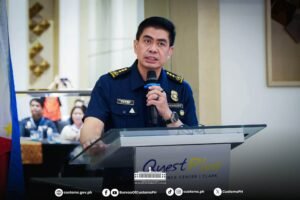
Let’s not sugarcoat it. Smugglers have been gaming the system—hiding endangered species in small parcels, misdeclaring shipments, and slipping through cracks in fast-moving logistics channels. But that window is closing.
Armed with the full force of Republic Act No. 9147, Republic Act No. 10863, and global mandates under CITES, authorities are tightening the noose. The training didn’t just skim the surface—it drilled deep into detection tactics, red flags, and real-world smuggling scenarios. Think suspicious packaging, shady declarations, and shipment patterns that scream illegal trade.
Workshops turned intense. Officers dissected operational weaknesses and mapped out aggressive countermeasures. Intelligence sharing, sharper inspections, and stronger coordination are now front and center.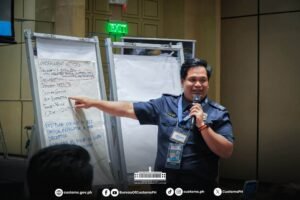
And leading the charge? District Collector Jairus S. Reyes didn’t mince words.
“As trade evolves, so do the methods of smuggling. Strengthening our frontline capabilities—especially in high-risk channels like air express cargo—is essential,” Reyes declared, firing a clear warning shot at traffickers.
Backing this intensified crackdown is Customs Commissioner Ariel Nepomuceno, whose leadership is pushing the Bureau toward a more aggressive, intelligence-driven enforcement strategy. Under his watch, complacency is not an option.
This is no longer just about customs duties and border control—it’s a full-scale defense of the country’s biodiversity. Wildlife traffickers are now on notice: the system is watching, adapting, and ready to strike.
The Port of Clark isn’t just keeping up—it’s stepping up, locking in, and going on the offensive.
Game on.


 Morning Standard News Team